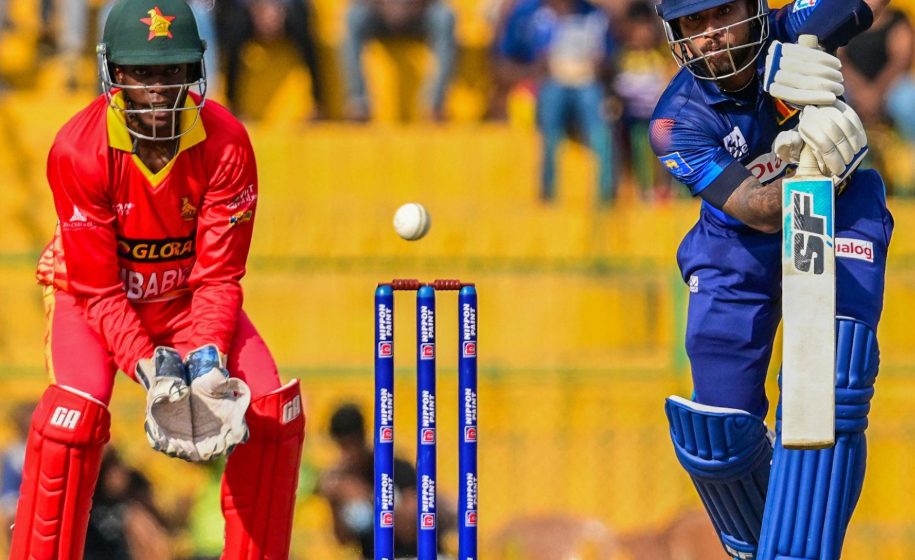
Zimbabwe National Cricket Team Vs Sri Lanka National Cricket Team Stats
Table of Contents
The encounters between these two international cricket sides reflect a long journey of growth, learning, and shifting dominance. From the earliest meetings to modern-day clashes, the matches have showcased contrasting styles of play shaped by experience, conditions, and evolving team structures. One side has often relied on strong spin traditions and tactical discipline, while the other has built its identity through resilience and gradual improvement on the global stage. Across decades of competition, these matches have produced memorable performances, turning points, and valuable lessons for both teams. The rivalry continues to hold significance as it highlights how international cricket evolves through persistence, adaptation, and competitive spirit on the field.
Latest Matches Table
| Date | Format | Winner | Margin | Location |
| Feb 19 2026 | T20I | Zimbabwe | 6 wickets | Colombo |
| Nov 25 2025 | T20I | Sri Lanka | 9 wickets | Rawalpindi |
| Nov 20 2025 | T20I | Zimbabwe | 67 runs | Rawalpindi |
| Sep 07 2025 | T20I | Sri Lanka | 8 wickets | Harare |
| Sep 06 2025 | T20I | Zimbabwe | 5 wickets | Harare |
| Sep 03 2025 | T20I | Sri Lanka | 4 wickets | Harare |
Team Statistics Summary Table
| Format | Matches | Sri Lanka Won | Zimbabwe Won | Drawn or No Result |
| Test Matches | 20 | 14 | 0 | 6 |
| ODI Matches | 64 | 49 | 12 | 3 |
| T20I Matches | 12 | 8 | 4 | 0 |
| Overall Total | 96 | 71 | 16 | 9 |
Individual Batting Records Table
| Player | Team | Innings | Total Runs | Highest Score | Average |
| Pathum Nissanka | Sri Lanka | 5 | 260 | 99 | 65.00 |
| Sikandar Raza | Zimbabwe | 5 | 196 | 67 | 49.00 |
| Brian Bennett | Zimbabwe | 4 | 126 | 63 | 42.00 |
| Kamindu Mendis | Sri Lanka | 4 | 114 | 55 | 38.00 |
| Kusal Mendis | Sri Lanka | 5 | 102 | 44 | 25.50 |
Individual Bowling Records Table
| Player | Team | Overs | Wickets | Runs Allowed | Economy |
| Sikandar Raza | Zimbabwe | 16 | 7 | 115 | 7.18 |
| Wanindu Hasaranga | Sri Lanka | 14 | 6 | 98 | 7.00 |
| Blessing Muzarabani | Zimbabwe | 15 | 5 | 112 | 7.46 |
| Maheesh Theekshana | Sri Lanka | 13 | 4 | 105 | 8.07 |
| Dushan Hemantha | Sri Lanka | 11 | 4 | 88 | 8.00 |
Origins of Two Cricketing Nations Meeting on the International Stage
The early history between these two international sides reflects a meeting of contrasting cricket cultures. One team was still building its identity in world cricket while the other had already started shaping itself into a disciplined and skill-driven unit. Their first encounters were not just matches but learning experiences where strategies were tested under international pressure. The early games showed clear differences in approach, especially in batting tempo and bowling variations. While one side relied heavily on experience and spin control, the other focused on resilience and adapting to higher levels of competition. These matches laid the foundation for a competitive timeline that would slowly grow in intensity. Over time, both teams began to understand each other’s strengths and weaknesses, making future contests more structured and tactical rather than purely one-sided contests.
| Match Type | Year | Venue | Result | Key Moment |
| ODI | Early 1990s | Colombo | Sri Lanka won | Spin dominance |
| ODI | Early 1990s | Harare | Sri Lanka won | Middle order control |
| ODI | Early 1990s | Colombo | Sri Lanka won | Batting stability |
| ODI | Early 1990s | Harare | Sri Lanka won | Bowling pressure |
| ODI | Early 1990s | Neutral | Sri Lanka won | Consistent attack |
Early Encounters That Shaped Competitive Direction
As the rivalry developed, early encounters began to highlight gaps in experience and execution. One team frequently displayed stronger tactical awareness, especially in handling pressure situations during middle overs. The other side, however, showed flashes of potential with determined batting performances and disciplined bowling spells. These matches were often decided in the first power phase or during spin-heavy middle overs, where control of the game shifted quickly. Field placements and strike rotation became major deciding factors. Even when results were one-sided, individual performances stood out and hinted at future competitiveness. These early clashes helped both sides refine their strategies and understand international standards more clearly, gradually reducing the performance gap over time.
| Match Type | Year | Venue | Result | Key Moment |
| ODI | Mid 1990s | Colombo | Sri Lanka won | Early wickets |
| ODI | Mid 1990s | Harare | Sri Lanka won | Spin control |
| ODI | Mid 1990s | Colombo | Sri Lanka won | Strong chase |
| ODI | Mid 1990s | Harare | Sri Lanka won | Bowling attack |
| ODI | Mid 1990s | Neutral | Sri Lanka won | Death overs finish |
Building Pressure Through the 1990s Competitive Era
The 1990s became a defining phase where pressure started shaping match outcomes more significantly. One team developed a reputation for maintaining calm during tight chases, while the other worked on building partnerships under pressure. Spin bowling played a critical role, especially in slower pitches where ball control determined momentum shifts. Matches during this phase were often closer than earlier ones, with longer batting innings and improved defensive techniques from both sides. Fielding standards also began to influence results, as run-saving efforts and catching efficiency made noticeable differences. This period marked a transition from one-sided dominance to more structured contests where strategy mattered as much as individual brilliance.
| Match Type | Year | Venue | Result | Key Moment |
| ODI | Late 1990s | Colombo | Sri Lanka won | Spin pressure |
| ODI | Late 1990s | Harare | Sri Lanka won | Partnership break |
| ODI | Late 1990s | Colombo | Sri Lanka won | Chase control |
| ODI | Late 1990s | Harare | Sri Lanka won | Fielding impact |
| ODI | Late 1990s | Neutral | Sri Lanka won | Middle overs control |
Breakthrough Performances That Challenged Expectations
Despite strong opposition, there were moments when underdog performances changed the tone of the contest. These breakthrough matches featured disciplined batting under pressure and sharp bowling spells that disrupted stronger lineups. Partnerships built during crucial phases often pushed totals to competitive levels, forcing the stronger side to rethink their approach. Bowling units occasionally found rhythm early, leading to unexpected collapses or restricted scoring phases. These performances did not always lead to victories but significantly improved competitive balance. They also gave emerging players confidence to perform at higher levels consistently. This phase marked the beginning of a more unpredictable rivalry structure.
| Match Type | Year | Venue | Result | Key Moment |
| ODI | Early 2000s | Harare | Sri Lanka won | Tight chase |
| ODI | Early 2000s | Colombo | Sri Lanka won | Bowling spell |
| ODI | Early 2000s | Harare | Sri Lanka won | Batting resistance |
| ODI | Early 2000s | Colombo | Sri Lanka won | Middle overs fight |
| ODI | Early 2000s | Neutral | Sri Lanka won | Late collapse |
Era of Dominance and Legendary Performances
This period saw established stars taking control of matches with world-class performances. Batting legends produced explosive innings, while spin bowlers consistently broke partnerships at crucial stages. The difference in experience became visible in pressure moments, especially during run chases. One side often accelerated scoring in the final overs, making it difficult for opponents to recover. The opposition, however, gained valuable exposure against elite-level match situations. These matches became learning benchmarks for emerging players, especially in handling international pressure and tactical field changes. The dominance was clear, but the competitive spirit remained strong throughout.
| Match Type | Year | Venue | Result | Key Moment |
| ODI | 2000s | Colombo | Sri Lanka won | Top order blast |
| ODI | 2000s | Harare | Sri Lanka won | Spin attack |
| ODI | 2000s | Colombo | Sri Lanka won | Chase finish |
| ODI | 2000s | Harare | Sri Lanka won | Wicket burst |
| ODI | 2000s | Neutral | Sri Lanka won | All-round performance |
Global Tournament Clashes Under High Pressure
International tournaments brought a new level of intensity to these encounters. Matches played under global pressure highlighted mental strength and adaptability. One team consistently handled knockout situations better, using experience to control innings tempo. The other team showed resilience and occasional brilliance, especially in bowling spells that restricted scoring. Tournament conditions often amplified pressure, making small mistakes costly. These matches became memorable due to their high stakes and emotional intensity. Fans from both sides closely followed every over, adding to the pressure on players. The rivalry gained global attention during these stages.
| Match Type | Year | Venue | Result | Key Moment |
| World Cup | Various | Neutral | Sri Lanka won | Knockout control |
| World Cup | Various | Neutral | Sri Lanka won | Chase stability |
| ICC Event | Various | Neutral | Sri Lanka won | Pressure bowling |
| ICC Event | Various | Neutral | Sri Lanka won | Middle overs dominance |
| ICC Event | Various | Neutral | Sri Lanka won | Fielding brilliance |
Modern Era Shifts and Changing Competitive Balance
In recent years, the competitive gap has started narrowing as team structures evolved. Improved training systems, better player exposure, and modern tactics have made contests more balanced. One side has focused on rebuilding consistency, while the other has worked on maintaining its legacy strength in spin and tactical discipline. Matches now feature more aggressive batting approaches, higher scoring rates, and smarter bowling variations. Fielding standards have also improved significantly, making contests more dynamic and unpredictable. While historical dominance still influences perception, modern games show a more even and competitive spirit between the two sides.
| Match Type | Year | Venue | Result | Key Moment |
| ODI/T20 | Recent | Harare | Mixed results | Balanced contest |
| ODI/T20 | Recent | Colombo | Sri Lanka edge | Tactical finish |
| ODI/T20 | Recent | Neutral | Competitive | High scoring game |
| ODI/T20 | Recent | Harare | Close match | Death overs |
| ODI/T20 | Recent | Colombo | Sri Lanka win | Experience impact |
Conclusion
Over time, this rivalry has transformed from one-sided encounters into more balanced and competitive contests. Early dominance gradually gave way to improved performances, as both sides adapted to changing formats and modern strategies. The journey reflects not just results on the scorecard but also the development of players, tactics, and cricketing mindset. While one team still holds historical superiority, the gap has narrowed significantly in recent years, making every match more engaging and unpredictable. This rivalry stands as a reminder that international cricket is constantly evolving, shaped by experience, preparation, and the determination of teams to rise above past limitations.