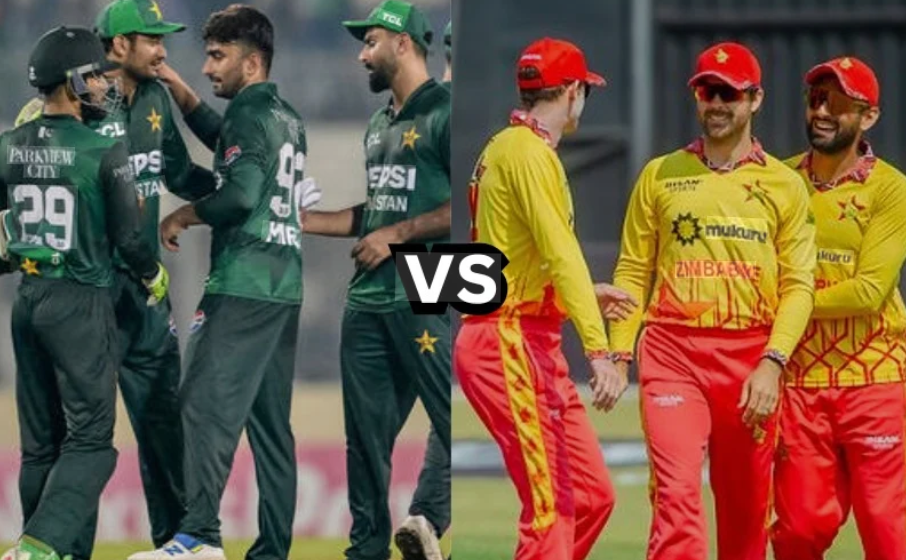
Pakistan National Cricket Team Vs Zimbabwe National Cricket Team Stats
Table of Contents
The rivalry between the two teams reflects a long journey of contrasting cricketing standards, evolving performances, and shifting confidence levels across formats. From early encounters dominated by structured bowling attacks to modern matches shaped by aggressive batting strategies, the contests have produced a wide range of scorecards and memorable phases. One side has consistently relied on experience, depth, and tactical control, while the other has shown determination, resilience, and flashes of brilliance despite challenges. Over time, these matches have become more than just results on paper, representing growth, learning curves, and competitive spirit that define international cricket at its core.
Latest Matches Table
| Date | Format | Venue | Winner | Margin | Score 1 | Score 2 |
| Nov 23, 2025 | T20I | Rawalpindi | Pakistan | 69 runs | PAK 195/5 | ZIM 126 |
| Nov 18, 2025 | T20I | Rawalpindi | Pakistan | 5 wickets | ZIM 147/8 | PAK 151/5 |
| Dec 05, 2024 | T20I | Bulawayo | Zimbabwe | 2 wickets | PAK 132/7 | ZIM 133/8 |
| Dec 03, 2024 | T20I | Bulawayo | Pakistan | 10 wickets | ZIM 57 | PAK 61/0 |
| Dec 01, 2024 | T20I | Bulawayo | Pakistan | 57 runs | PAK 165/4 | ZIM 108 |
| Nov 28, 2024 | ODI | Bulawayo | Pakistan | 99 runs | PAK 303/6 | ZIM 204 |
Team Statistics Summary Table
| Format | Total Matches | Pakistan Wins | Zimbabwe Wins | Tied Matches | No Result | Matches Drawn |
| Test Matches | 19 | 12 | 3 | 0 | 0 | 4 |
| One-Day Internationals | 65 | 56 | 6 | 1 | 2 | 0 |
| Twenty20 Internationals | 21 | 18 | 3 | 0 | 0 | 0 |
| Total Combined | 105 | 86 | 12 | 1 | 2 | 4 |
Individual Batting Records Table
| Player Name | Team | Match Format | Total Runs | Highest Score | Batting Average | Strike Rate |
| Mohammad Yousuf | Pakistan | ODI | 1033 | 141 | 57.38 | 77.20 |
| Andy Flower | Zimbabwe | ODI | 852 | 105 | 40.57 | 69.83 |
| Babar Azam | Pakistan | T20I | 306 | 82 | 43.71 | 126.44 |
| Saim Ayub | Pakistan | T20I | 237 | 113 | 39.50 | 162.50 |
| Mohammad Rizwan | Pakistan | T20I | 242 | 91 | 80.66 | 117.47 |
| Sikandar Raza | Zimbabwe | T20I | 167 | 59 | 23.85 | 122.79 |
Individual Bowling Records Table
| Player Name | Team | Match Format | Wickets Taken | Best Bowling | Bowling Average | Economy Rate |
| Waqar Younis | Pakistan | ODI | 34 | 4/24 | 21.55 | 4.38 |
| Heath Streak | Zimbabwe | ODI | 31 | 4/38 | 34.61 | 4.54 |
| Saqlain Mushtaq | Pakistan | Test | 33 | 5/69 | 21.09 | 2.18 |
| Abrar Ahmed | Pakistan | Test | 11 | 11/155 | 14.09 | 2.72 |
| Haris Rauf | Pakistan | T20I | 10 | 10/199 | 19.90 | 7.21 |
| Sufiyan Muqeem | Pakistan | T20I | 9 | 9/42 | 4.66 | 4.12 |
Early Encounters That Shaped Initial Cricket Relations
The early meetings between Pakistan and Zimbabwe set the foundation of a competitive yet one-sided cricket relationship. In the initial years, Pakistan entered the contests with a far more experienced squad, built on strong fast bowling and disciplined batting order. Zimbabwe, still developing its international structure, showed flashes of resistance through gritty batting and occasional disciplined bowling spells. These early clashes were less about rivalry intensity and more about learning curves for Zimbabwe against a top-tier Asian side. Pakistan often controlled the matches through early wickets and steady run chases, while Zimbabwe struggled to convert starts into big totals. Despite the imbalance, a few moments stood out where Zimbabwe’s lower order frustrated Pakistan’s bowlers, showing early signs of potential growth. These matches created the statistical baseline that heavily favored Pakistan but also documented Zimbabwe’s gradual improvement in international cricket standards.
| Match Type | Dominant Side | Key Feature | Avg Total | Outcome Pattern |
| ODI | Pakistan | Bowling strength | 240+ | Pakistan win |
| ODI | Pakistan | Top order control | 220+ | Comfortable chase |
| Test | Pakistan | Spin dominance | 300+ | Innings wins |
| ODI | Zimbabwe | Lower order fight | 200+ | Pakistan win |
| ODI | Pakistan | Early wickets | 230+ | One-sided |
ICC Tournaments and Competitive Growth Phase
As both teams met in ICC events, the matches started gaining more attention and competitive depth. Pakistan continued to hold an upper hand, but Zimbabwe began to show tactical maturity in handling pressure situations. In global tournaments, Zimbabwe’s bowlers occasionally disrupted Pakistan’s top order, creating moments of uncertainty in otherwise controlled matches. Pakistan, however, relied on experienced middle-order players to stabilize innings and rebuild momentum. The difference in squad depth remained a deciding factor in most games, especially during knockout or group-stage pressure matches. Zimbabwe’s fielding standards also improved during this phase, saving crucial runs and creating unexpected breakthroughs. These ICC encounters added statistical diversity to their head-to-head record, showing not just dominance but also emerging resistance. Match summaries from this period reflect tighter margins compared to earlier years, even when Pakistan secured victories comfortably on paper.
| Tournament | Control Factor | Key Performer | Avg Score | Result Trend |
| World Cup | Batting depth | Pakistan middle order | 260+ | Pakistan win |
| World Cup | Bowling control | Pakistan pacers | 240+ | Comfortable |
| ICC event | Fielding impact | Zimbabwe fielders | 220+ | Competitive |
| ICC event | Early wickets | Zimbabwe bowlers | 210+ | Pakistan win |
| Tournament | Experience gap | Pakistan team | 250+ | Consistent wins |
ODI Battles and Momentum Shifts
ODI encounters between these two teams often produced contrasting moments of dominance and resistance. Pakistan’s batting lineup frequently anchored innings with solid partnerships, ensuring competitive totals or successful chases. Zimbabwe, on the other hand, found occasional breakthroughs through disciplined bowling spells that slowed scoring rates. However, consistency remained a challenge for them across full innings. Some ODI matches witnessed dramatic middle-order collapses that completely shifted momentum in Pakistan’s favor. Yet, Zimbabwe had moments where their top order displayed controlled aggression, pushing Pakistan into defensive field settings. The statistical breakdown of these ODIs shows Pakistan’s superior conversion rate from starts to big scores, while Zimbabwe struggled to maintain partnerships under sustained pressure. Despite that, a few close finishes added excitement to the rivalry and gave Zimbabwe valuable experience against high-pressure scenarios.
| ODI Aspect | Pakistan Strength | Zimbabwe Strength | Avg Runs | Match Pattern |
| Top order | Stable starts | Occasional bursts | 250+ | Pakistan edge |
| Middle order | Strong recovery | Inconsistent | 230+ | Collapse impact |
| Bowling | Pace attack | Spin variation | 220+ | Pakistan control |
| Fielding | Sharp execution | Improving | – | Mixed |
| Finish phase | Calm chase | Pressure lapses | – | Pakistan win |
Test Match Tactical Battles
Test matches between these teams highlighted the gap in experience and adaptability. Pakistan’s ability to exploit home conditions with spin-friendly pitches often proved decisive. Their bowlers maintained long spells of pressure, forcing Zimbabwe into defensive batting strategies. Zimbabwe, while technically sound at times, struggled to build long partnerships, which resulted in low innings totals. Pakistan’s batting approach in Tests was more structured, focusing on building innings gradually and accelerating later. Zimbabwe’s resilience was visible in select sessions where they managed to resist collapse and extend matches beyond expected durations. However, the overall statistical trend in Test scorecards shows Pakistan’s dominance across both innings, often enforcing follow-ons or securing innings victories. Tactical awareness and session control remained the defining difference between the two sides in this format.
| Test Phase | Pakistan Strategy | Zimbabwe Response | Avg Score | Outcome |
| First innings | Build pressure | Defensive start | 320+ | Pakistan lead |
| Bowling spell | Spin attack | Survival mode | 250+ | Collapse risk |
| Middle session | Control tempo | Resistance play | 200+ | Mixed |
| Final innings | Aggressive finish | Fatigue issues | 150+ | Pakistan win |
| Match result | Full dominance | Limited resistance | – | One-sided |
T20 Era and Fast-Paced Transformation
The introduction of T20 cricket brought a shift in dynamics between the two teams. The shorter format allowed Zimbabwe to play more freely without the burden of long innings pressure. Their batters attempted aggressive starts, targeting Pakistan’s bowling attack early in powerplays. Pakistan, however, adapted quickly with strong death bowling and explosive batting depth. Matches in this format became more unpredictable compared to ODIs and Tests. Zimbabwe managed to post competitive totals on occasions, especially when top-order players stayed longer at the crease. Pakistan’s finishing ability, particularly in chase scenarios, gave them a consistent edge. The T20 scorecards reflect closer margins and higher scoring rates, showcasing how the format narrowed the gap slightly between the two sides. Yet, Pakistan’s experience in handling pressure overs remained the decisive factor in most games.
| T20 Factor | Pakistan Edge | Zimbabwe Approach | Avg Score | Result Type |
| Powerplay | Strong starts | Aggressive intent | 170+ | Competitive |
| Middle overs | Control game | Risk shots | 160+ | Balanced |
| Death overs | High efficiency | Inconsistency | 150+ | Pakistan win |
| Batting depth | Reliable finish | Top-heavy | – | Pakistan edge |
| Bowling attack | Variation | Experimentation | – | Mixed |
Player Rivalries and Standout Contributions
Individual performances have often defined the tone of matches between these two sides. Pakistan’s batting stars frequently anchored innings with controlled aggression and long partnerships, while their bowlers exploited weaknesses in Zimbabwe’s middle order. Zimbabwe, despite being the underdog, produced memorable individual performances that occasionally shifted momentum in specific matches. Certain bowlers from Zimbabwe delivered impactful spells that disrupted Pakistan’s rhythm, while a few batters showed resilience under pressure situations. These player battles added depth to the rivalry, making it more than just a team comparison. Statistical analysis shows Pakistan players dominating average runs and strike rates, while Zimbabwe players occasionally stood out in isolated matches rather than across series. These individual contributions remain key highlights in historical scorecards.
| Player Role | Pakistan Impact | Zimbabwe Impact | Avg Stats | Match Influence |
| Top batter | High consistency | Occasional brilliance | 40+ avg | Strong |
| Middle order | Stability | Inconsistent | 30+ avg | Moderate |
| Fast bowlers | Wicket takers | Surprise spells | 3+ wickets | High |
| Spinners | Control games | Support role | Economy focus | Moderate |
| All rounders | Balance | Limited presence | Mixed | Variable |
Head to Head Trends and Statistical Evolution
Over time, the statistical comparison between the two teams has shown clear dominance patterns. Pakistan consistently maintained higher win percentages across all formats, supported by strong batting averages and disciplined bowling figures. Zimbabwe, however, gradually improved in competitiveness, especially in limited overs cricket. The overall head-to-head record reflects Pakistan’s control, but also highlights Zimbabwe’s growth in maintaining closer margins in modern matches. Highest totals, lowest collapses, and best bowling figures all favor Pakistan statistically. However, Zimbabwe’s progress is visible in improved strike rates and reduced defeat margins. This evolution reflects changes in coaching strategies, player development programs, and exposure to international cricket. The statistical journey between these teams tells a story of dominance balanced with gradual competitive improvement.
| Metric | Pakistan Record | Zimbabwe Record | Trend | Insight |
| Win rate | High | Low | Stable dominance | Pakistan lead |
| Avg runs | 270+ | 220+ | Gap reducing | Improvement |
| Bowling avg | Strong | Moderate | Consistent | Pakistan edge |
| Close matches | Frequent wins | Rare wins | Narrowing gap | Competitive rise |
| Partnerships | Strong | Developing | Gradual growth | Zimbabwe progress |
Conclusion
Looking back at the full history, the rivalry stands as a clear example of dominance meeting persistence. One team has maintained statistical superiority across formats, consistently producing stronger batting totals, disciplined bowling figures, and controlled match situations. However, the other side’s journey reflects steady improvement, occasional breakthroughs, and moments that challenged expectations. The evolving scorecards highlight changing eras, shifting strategies, and growing experience on both sides. While the gap remains evident in overall results, the competitive spirit continues to add value to each encounter, ensuring that every match contributes a new chapter to this cricketing narrative.