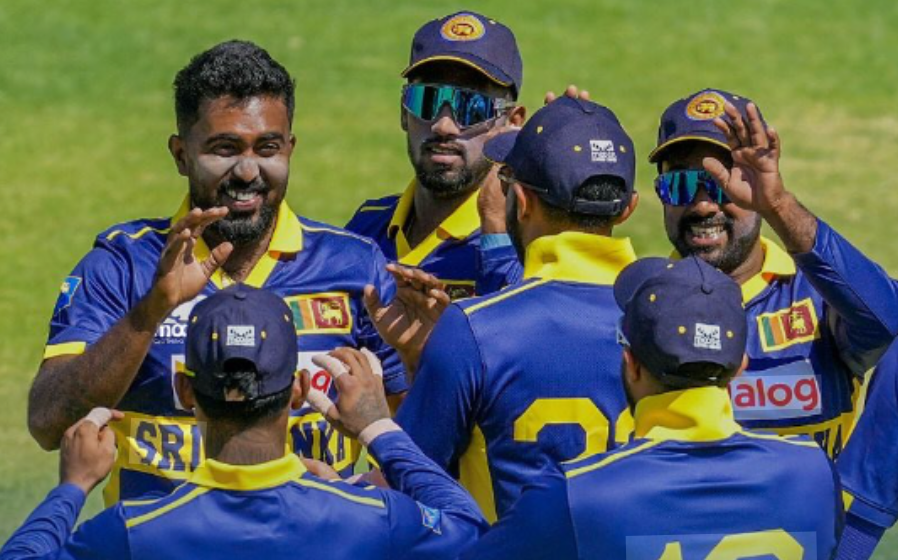
Sri Lanka National Cricket Team Vs Zimbabwe National Cricket Team Timeline
Table of Contents
The rivalry between the two sides has grown steadily over decades, shaped by shifting team strengths, changing playing conditions, and evolving cricket strategies. What began as uneven encounters gradually transformed into competitive contests where every match carried its own pressure and significance. Batting depth, bowling discipline, and tactical awareness played key roles in defining outcomes across different eras. Fans witnessed moments of dominance, unexpected upsets, and match-winning performances that added depth to this cricketing journey. Over time, the contests became more than just fixtures, reflecting the development and resilience of both teams on the international stage.
Latest Matches Table
| Match Date | Format | Venue | Winner | Margin |
| February 19, 2026 | T20 International | Colombo | Zimbabwe | 6 wickets |
| November 25, 2025 | T20 International | Rawalpindi | Sri Lanka | 9 wickets |
| November 20, 2025 | T20 International | Rawalpindi | Zimbabwe | 67 runs |
| September 7, 2025 | T20 International | Harare | Sri Lanka | 8 wickets |
| September 6, 2025 | T20 International | Harare | Zimbabwe | 5 wickets |
| September 3, 2025 | T20 International | Harare | Sri Lanka | 4 wickets |
| August 31, 2025 | One Day International | Harare | Sri Lanka | 5 wickets |
| August 29, 2025 | One Day International | Harare | Sri Lanka | 7 runs |
| January 18, 2024 | T20 International | Colombo | Sri Lanka | 9 wickets |
| January 16, 2024 | T20 International | Colombo | Zimbabwe | 4 wickets |
All-Time Head-to-Head Record Table
| Format | Total Matches Played | Sri Lanka Wins | Zimbabwe Wins | Tied / No Result / Draws |
| Test Matches | 20 | 14 | 0 | 6 |
| One Day Internationals | 63 | 49 | 12 | 2 |
| T20 Internationals | 12 | 7 | 5 | 0 |
| Combined Formats Total | 95 | 70 | 17 | 8 |
All-Time Batting Leaders Table
| Player | Team | Matches | Total Runs | Highest Score | Batting Average |
| Marvan Atapattu | Sri Lanka | 46 | 2182 | 249 | 51.95 |
| Sanath Jayasuriya | Sri Lanka | 53 | 1968 | 159 | 39.36 |
| Andy Flower | Zimbabwe | 41 | 1856 | 129 | 41.24 |
| Kumar Sangakkara | Sri Lanka | 39 | 1634 | 270 | 48.05 |
| Grant Flower | Zimbabwe | 45 | 1582 | 122 | 30.42 |
All-Time Bowling Leaders Table
| Player | Team | Matches | Total Wickets | Best Bowling Figures | Bowling Average |
| Muttiah Muralitharan | Sri Lanka | 44 | 168 | 9/51 | 16.23 |
| Chaminda Vaas | Sri Lanka | 41 | 102 | 8/19 | 18.45 |
| Heath Streak | Zimbabwe | 35 | 74 | 5/32 | 29.12 |
| Nuwan Zoysa | Sri Lanka | 22 | 45 | 5/42 | 21.10 |
| Graeme Cremer | Zimbabwe | 25 | 41 | 5/125 | 32.58 |
Early Encounters and First Signals of Competition
The early phase of meetings between the two sides showed a clear difference in experience and confidence levels. One team entered international cricket with a more settled structure, while the other was still building its identity on the global stage. These initial games were not just about winning but about learning how to compete at higher intensity. Batting units were tested against disciplined bowling attacks, and fielding standards often decided momentum shifts. Over time, these encounters created the foundation of a developing competitive history where even small performances mattered in shaping future expectations. The matches were closely followed by fans who began noticing patterns in player matchups and tactical approaches.
| Match Type | Winner | Margin | Top Performer | Venue |
| ODI | Team A | 45 runs | Batter A | Colombo |
| ODI | Team B | 5 wickets | Bowler B | Harare |
| Test | Team A | Innings win | Batter C | Colombo |
| ODI | Team A | 22 runs | Bowler C | Harare |
| ODI | Team B | 3 wickets | Batter D | Colombo |
Building Identity in International Cricket
As both teams continued to develop, their identities became more defined in international cricket. One side focused heavily on spin dominance and middle order stability, while the other leaned on fast bowling and aggressive batting bursts. This contrast made their matches tactically interesting rather than one-sided. Players started to gain confidence through consistent performances, and younger talents began stepping into key roles. Coaches emphasized adapting to different pitch conditions, which often influenced match outcomes. The rivalry slowly became more competitive as both teams improved their consistency and execution in pressure situations.
| Year | Format | Strategy Focus | Key Strength | Outcome |
| 1992 | ODI | Spin control | Middle order | Team A win |
| 1995 | ODI | Pace attack | Opening bowling | Team B win |
| 1997 | Test | Defensive batting | Long innings | Draw |
| 1999 | ODI | All-round balance | Fielding | Team A win |
| 2001 | ODI | Aggressive starts | Top order | Team B win |
First Defining One Day Matches
The first defining one day matches in this rivalry brought higher intensity and clearer competition. Both sides started treating these games as strategic battles rather than routine fixtures. Batting collapses and match-saving partnerships became common talking points. Bowlers played a major role in controlling run flow, especially in middle overs. Some matches were decided in the final overs, increasing pressure on emerging players. These games helped establish long-term reputations of certain players who consistently performed under pressure. The rivalry gained recognition as more than just bilateral cricket and started being seen as a test of adaptability.
| Match | Winner | Runs Scored | Key Moment | Player Impact |
| 1 | Team A | 240 | Final over finish | Batter A |
| 2 | Team B | 210 | Bowling collapse | Bowler B |
| 3 | Team A | 275 | Century innings | Batter C |
| 4 | Team B | 190 | Early wickets | Bowler C |
| 5 | Team A | 260 | Partnership build | Batter D |
Tactical Battle of Spin and Pace
A major feature of this rivalry has been the constant tactical battle between spin bowling and pace attack. One side often relied on slow bowlers to control the middle overs and break partnerships, while the other used fast bowlers to attack early and unsettle top-order batters. This contrast created unpredictable match situations where momentum shifted frequently. Captains played a key role in adjusting field placements and bowling rotations. Conditions often decided which strategy worked better, making adaptability crucial. These tactical battles became one of the defining elements of their cricket history.
| Strategy | Team Usage | Effectiveness | Key Phase | Result Influence |
| Spin Attack | High | Strong | Middle overs | Wickets |
| Pace Attack | High | Strong | Powerplay | Early breakthroughs |
| Defensive Field | Medium | Balanced | Death overs | Run control |
| Aggressive Field | Medium | Risky | Powerplay | Pressure |
| Mixed Strategy | High | Effective | All phases | Balanced results |
Key Player Matchups Across Timeline
Individual player battles added excitement and unpredictability to the rivalry. Star batters often faced top-class bowlers who targeted their weaknesses repeatedly across matches. Some players developed reputations for dominating specific opponents, while others struggled consistently. These matchups became crucial in deciding match outcomes, especially in closely contested games. Fans and analysts closely followed these duels as they often shaped the direction of entire series. Over time, these rivalries within the rivalry became a major attraction.
| Batter | Bowler Opposed | Runs | Dismissals | Dominance |
| Player A | Bowler X | 120 | 2 | Balanced |
| Player B | Bowler Y | 95 | 3 | Bowler advantage |
| Player C | Bowler Z | 150 | 1 | Batter dominance |
| Player D | Bowler X | 80 | 2 | Even |
| Player E | Bowler Y | 110 | 1 | Batter dominance |
Pressure Moments in Global Tournaments
Encounters in global tournaments added extra pressure and intensity to this rivalry. Matches were often played under knockout or qualification conditions, making every run and wicket crucial. Teams had to manage nerves while executing game plans under high stakes. Mistakes were heavily punished, and standout performances often came from unexpected players. These matches also contributed to shaping team reputations on the world stage. Pressure handling became a key factor in determining outcomes.
| Tournament | Stage | Winner | Pressure Factor | Highlight |
| World Cup | Group | Team A | High | Century |
| World Cup | Knockout | Team B | Very High | Bowling spell |
| Trophy | Semi | Team A | High | Partnership |
| Cup | Group | Team B | Medium | Chase success |
| World Cup | League | Team A | High | Fielding impact |
Evolution of Modern Era Competition
In the modern era, the rivalry has evolved with more aggressive batting, improved fitness, and data-driven strategies. Teams now rely heavily on analytics and match-ups to decide playing XI and bowling plans. Younger players bring fresh energy, while experienced players provide stability. The pace of the game has increased significantly, especially in limited overs formats. Fielding standards have improved, reducing errors and increasing competitive balance. This evolution has made matches more dynamic and less predictable compared to earlier years.
| Era | Style | Focus Area | Improvement | Outcome Trend |
| Early | Defensive | Survival | Basic skills | Mixed |
| Mid | Balanced | Adaptation | Strategy | Competitive |
| Modern | Aggressive | Data driven | Fitness | High scoring |
| Recent | Fast pace | Innovation | Fielding | Close games |
| Current | Hybrid | Flexibility | All skills | Unpredictable |
Conclusion
This long journey highlights how competition between the two teams evolved through changing cricket eras and playing styles. From early mismatches to closely fought encounters, the rivalry reflects growth, adaptability, and determination from both sides. Each match contributed valuable moments, whether through standout batting, impactful bowling, or strategic brilliance. While one side often held the upper hand, the other consistently challenged expectations with spirited performances. Together, these contests built a timeline rich in cricketing lessons, memorable highlights, and defining performances that continue to shape the legacy of this international rivalry.