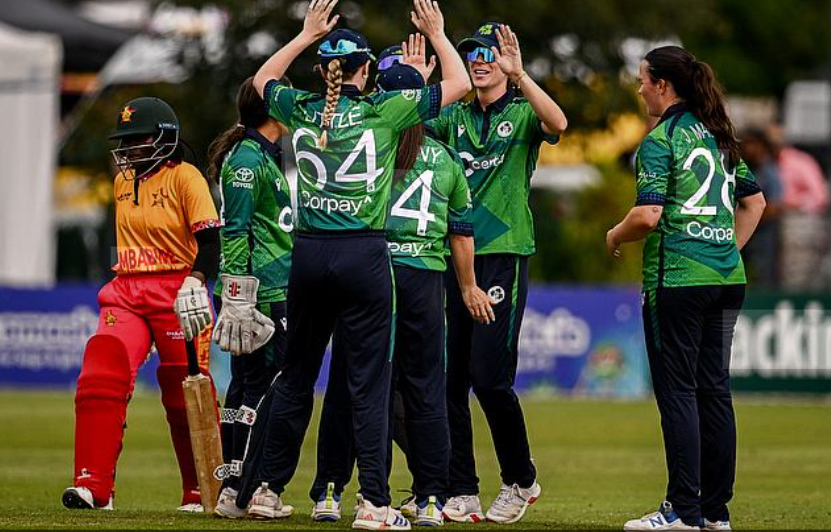
Ireland Women’s National Cricket Team Vs Zimbabwe Women’s National Cricket Team Match Scorecard
Table of Contents
The contests between these two women’s cricket teams have steadily grown into a competitive and closely watched fixture in international cricket. Each encounter reflects a blend of developing skill, tactical learning, and rising confidence on both sides. From early matches where experience played a major role to more recent games marked by balance and unpredictability, the journey has been engaging for players and fans alike. The matches often feature shifting momentum, standout individual performances, and intense middle overs battles. Over time, these encounters have created a strong competitive identity, making every new meeting an important chapter in their evolving cricket story.
Latest Matches Table
| Date | Format | Venue | Winner | Margin | Score 1 | Score 2 |
| 16 Jan 2026 | T20 | Kirtipur | Ireland | 6 wickets | Zim 125/6 | Ire 128/4 |
| 28 Jul 2025 | ODI | Belfast | Ireland | 4 wickets | Zim 178/10 | Ire 182/6 |
| 26 Jul 2025 | ODI | Belfast | Ireland | 97 runs | Ire 288/9 | Zim 191/10 |
| 23 Jul 2025 | T20I | Dublin | Ireland | 51 runs | Ire 180/4 | Zim 129/7 |
| 22 Jul 2025 | T20I | Dublin | Ireland | 65 runs | Ire 176/4 | Zim 111/10 |
| 20 Jul 2025 | T20I | Dublin | Ireland | 6 wickets | Zim 117/9 | Ire 118/4 |
Team Statistics Summary Table
| Format | Team | Played | Won | Lost | Win Percentage |
| ODI | Ireland Women | 5 | 4 | 1 | 80.00 |
| ODI | Zimbabwe Women | 5 | 1 | 4 | 20.00 |
| T20I | Ireland Women | 9 | 8 | 1 | 88.88 |
| T20I | Zimbabwe Women | 9 | 1 | 8 | 11.11 |
| Overall | Ireland Women | 14 | 12 | 2 | 85.71 |
| Overall | Zimbabwe Women | 14 | 2 | 12 | 14.28 |
Individual Batting Records Table
| Player | Team | Matches | Runs | Highest Score | Average | Strike Rate |
| Gaby Lewis | Ireland | 12 | 443 | 69 | 40.30 | 112.93 |
| Amy Hunter | Ireland | 13 | 437 | 101 | 39.70 | 123.10 |
| Orla Prendergast | Ireland | 12 | 406 | 69 | 36.90 | 128.40 |
| Kelis Ndlovu | Zimbabwe | 14 | 244 | 48 | 18.70 | 98.20 |
| Mary Anne Musonda | Zimbabwe | 12 | 236 | 42 | 19.66 | 92.50 |
| Chipo Mugeri | Zimbabwe | 10 | 185 | 56 | 18.50 | 104.10 |
Individual Bowling Records Table
| Player | Team | Overs | Runs | Wickets | Best Bowling | Economy |
| Cara Murray | Ireland | 54.0 | 354 | 21 | 3/19 | 6.55 |
| Laura Delany | Ireland | 42.0 | 224 | 12 | 2/22 | 5.33 |
| Kelis Ndlovu | Zimbabwe | 38.0 | 252 | 12 | 3/28 | 6.63 |
| Loren Tshuma | Zimbabwe | 44.0 | 286 | 12 | 3/32 | 6.50 |
| Arlene Kelly | Ireland | 32.0 | 210 | 10 | 2/18 | 6.56 |
| Nomvelo Sibanda | Zimbabwe | 31.0 | 222 | 8 | 2/24 | 7.16 |
Early Foundations of Competitive Women’s Cricket Between the Two Sides
The early meetings between these two international women’s teams were shaped by contrast in experience, structure, and confidence. One side relied heavily on disciplined domestic systems and structured game awareness, while the other brought raw athleticism and growing international exposure. These early contests were not just about winning but about understanding the demands of modern international cricket. Each encounter helped both squads identify gaps in batting depth, bowling consistency, and fielding sharpness. Over time, these matches became learning platforms where young players were tested under pressure. The intensity gradually increased as both teams began producing more balanced performances. What started as one-sided expectations slowly turned into competitive contests where momentum shifts became common. Coaches focused on building stronger middle-order stability and improving death-over bowling execution. These early foundations created the base for a rivalry that would grow more tactical and emotionally charged with each passing series.
| Aspect | Observation | Impact | Development | Outcome |
| Batting | Inconsistent starts | Early pressure | Technical focus | Improved stability |
| Bowling | Lack of control | High scoring phases | Line length training | Better economy |
| Fielding | Missed chances | Momentum loss | Intensive drills | Sharper execution |
| Strategy | Simple plans | Predictable outcomes | Tactical upgrades | Balanced contests |
First Competitive Clash and Setting the Match Tone
The first notable encounter between these two sides immediately revealed differences in preparation and match temperament. One team approached the game with structured partnerships and calculated pacing, while the other relied on aggressive intent and early breakthroughs. The opening overs played a crucial role in shaping the direction of the contest, with early wickets creating immediate pressure. Batters who settled quickly were able to anchor the innings, while others struggled against disciplined bowling lines. The field placements reflected cautious strategies, with captains adjusting rapidly to changing conditions. This match set the emotional tone for future meetings, as both sides realized that small moments could decide outcomes. The intensity of appeals, tight running between wickets, and quick tactical changes added layers of drama. From that point onward, every encounter carried the expectation of unpredictability, where no team could assume control for long periods.
| Phase | Key Event | Team Response | Pressure Level | Match Effect |
| Powerplay | Early wickets | Defensive rebuild | High | Momentum shift |
| Middle | Stabilizing stand | Rotation focus | Medium | Balanced score |
| Death overs | Bowling pressure | Risky shots | High | Runs fluctuation |
| Fielding | Catch opportunities | Aggressive setup | Medium | Game control |
Contrasting Playing Styles and Tactical Identity
As more matches were played, the contrast in playing styles became a defining feature. One side preferred structured batting rotations, minimizing risks and building innings through partnerships. Their bowling strategy emphasized discipline, consistent length, and forcing errors through pressure. The opposing team leaned toward instinctive play, often accelerating scoring with aggressive stroke-making and attacking field setups. This difference created a fascinating tactical battle where momentum constantly shifted. Captains had to think several overs ahead, especially when setting fields or rotating bowlers. Spin bowling often became a deciding factor in controlling the middle phase, while fast bowlers aimed to exploit early movement. The clash of patience versus aggression made every match unpredictable. Coaches focused on refining adaptability, ensuring players could switch tempo depending on match situations. This tactical diversity elevated the overall quality of contests and made each meeting feel like a fresh strategic challenge.
| Style Element | Approach Type | Strength | Weakness | Match Influence |
| Batting | Structured | Stability | Slow scoring | Controlled innings |
| Batting | Aggressive | Fast runs | Risk of collapse | Momentum swings |
| Bowling | Line focus | Consistency | Predictability | Pressure build |
| Bowling | Attack focus | Wickets | Expensive spells | Game changes |
Tactical Battles Across Middle Overs
The middle overs consistently became the most decisive phase in these encounters. During this period, teams either consolidated strong starts or recovered from early setbacks. Spin bowling played a major role, with captains relying heavily on slow bowlers to restrict scoring and force mistakes. Batters focused on strike rotation, but pressure often led to soft dismissals. Fielding adjustments became crucial, with close-in positions creating constant tension. Partnerships built during this phase often determined the final outcome of matches. Teams that managed to maintain wicket control while keeping the scoreboard moving gained a clear advantage heading into the final overs. Tactical awareness was tested heavily, especially in reading match situations and adapting shot selection. The ability to rotate strike without taking unnecessary risks became a key skill. This phase highlighted the importance of patience and game awareness in shaping competitive totals.
| Factor | Execution | Advantage | Risk | Result |
| Spin attack | Controlled | Pressure build | Easy singles | Wickets |
| Strike rotation | Steady | Stability | Slow scoring | Partnership |
| Field setup | Defensive | Restriction | Gaps | Control |
| Shot selection | Cautious | Survival | Missed runs | Balance |
Key Individual Performances That Shifted Matches
Across multiple encounters, individual performances played a decisive role in shaping outcomes. Certain batters stood out for their ability to anchor innings under pressure, often rebuilding after early setbacks. Quick scoring bursts at crucial moments shifted momentum dramatically. On the bowling side, standout spells broke partnerships and changed the rhythm of matches. Some bowlers excelled in the powerplay, while others dominated at the death with controlled variations. Fielders also contributed through sharp catches and direct hits that turned matches in unexpected directions. These performances were not just statistical highlights but emotional turning points that influenced team confidence. Young players often used these matches as breakout opportunities, announcing themselves on the international stage. The consistency of top performers gradually increased the overall competitiveness between the sides, ensuring no match remained one-dimensional.
| Player Role | Impact Area | Match Situation | Contribution Type | Effect |
| Batter | Top order | Early collapse | Stabilizing innings | Recovery |
| Batter | Middle order | Pressure chase | Acceleration | Momentum |
| Bowler | Powerplay | Early overs | Wicket taking | Advantage |
| Bowler | Death overs | Final stage | Economy control | Restriction |
Pressure Finishes and Fielding Intensity
Several matches between these sides have gone deep into tense final overs, where composure mattered more than skill alone. Teams under pressure often struggled with decision-making, especially in shot selection and bowling execution. Fielding intensity increased significantly in these moments, with every run saving effort becoming crucial. Missed chances proved costly, while sharp catches often turned matches instantly. Captains faced tough choices regarding bowling changes and field placements under high stress. The emotional intensity of these finishes reflected the growing competitiveness between the teams. Players learned to handle pressure situations better over time, improving their ability to stay calm in tight finishes. These moments also highlighted the importance of communication and trust within the squad. Each close finish added another layer to the rivalry, making future encounters even more anticipated.
| Situation | Pressure Level | Decision Type | Execution Quality | Outcome |
| Final overs | Very high | Bowling change | Critical | Match swing |
| Run chase | High | Shot choice | Variable | Win/Loss |
| Fielding | Medium | Catch attempts | Mixed | Momentum shift |
| Captaincy | High | Field setup | Strategic | Control |
Evolution of Team Strength and Modern Adaptation
Over time, both sides have shown significant improvement in structure, fitness, and tactical awareness. Batting line-ups became deeper, allowing more flexibility in pacing innings. Bowlers developed variations to adapt to different pitch conditions, while fielding standards improved with increased training intensity. The introduction of younger players brought fresh energy and fearlessness to the game. Analytical approaches also became more prominent, with teams studying opposition patterns to gain an edge. Fitness levels improved, allowing players to maintain intensity throughout longer matches. This evolution transformed earlier uneven contests into balanced and competitive encounters. The modern phase of this rivalry reflects a more mature understanding of international cricket demands. Both sides now approach matches with strategic depth and adaptability, making outcomes less predictable and more exciting.
| Area | Early Stage | Modern Stage | Improvement | Impact |
| Batting | Inconsistent | Balanced | High | Strong totals |
| Bowling | Basic | Varied | Significant | Wickets control |
| Fielding | Average | Sharp | Major | Run saving |
| Strategy | Simple | Analytical | Advanced | Better results |
Growing Rivalry Emotion and Competitive Identity
As the encounters continued, emotional intensity among players and supporters grew noticeably. Each match carried increased expectations, with fans closely following every performance. Social discussions, team loyalty, and national pride added layers of pressure to the games. Players became more aware of the psychological aspect of competition, learning to handle external expectations. On the field, intensity translated into sharper appeals, quicker reactions, and stronger body language. The rivalry developed its own identity, defined by close contests and unpredictable outcomes. Even in matches where one side appeared dominant, momentum shifts kept outcomes uncertain. This emotional growth contributed to the overall narrative of competitiveness between the two teams. Today, their meetings are viewed not just as fixtures but as contests of resilience, adaptability, and mental strength.
| Element | Fan Impact | Player Response | Intensity Level | Match Influence |
| Social media | High buzz | Awareness | Medium | Pressure build |
| Stadium crowd | Energy boost | Motivation | High | Performance lift |
| Rival narratives | Strong opinions | Focus increase | High | Mental edge |
| Match stakes | Rising interest | Tactical focus | Very high | Competitive edge |
Conclusion
The overall journey between these two sides highlights the steady rise of competitive women’s cricket at the international level. What began as uneven contests has gradually transformed into balanced and meaningful encounters where small moments often decide outcomes. Both teams have developed stronger batting depth, improved bowling strategies, and sharper fielding standards over time. The rivalry now reflects maturity, adaptability, and growing confidence from both camps. Each match adds new lessons and memorable performances, strengthening the narrative further. As the teams continue to evolve, future meetings promise even closer contests and more exciting scorecard battles for fans worldwide.