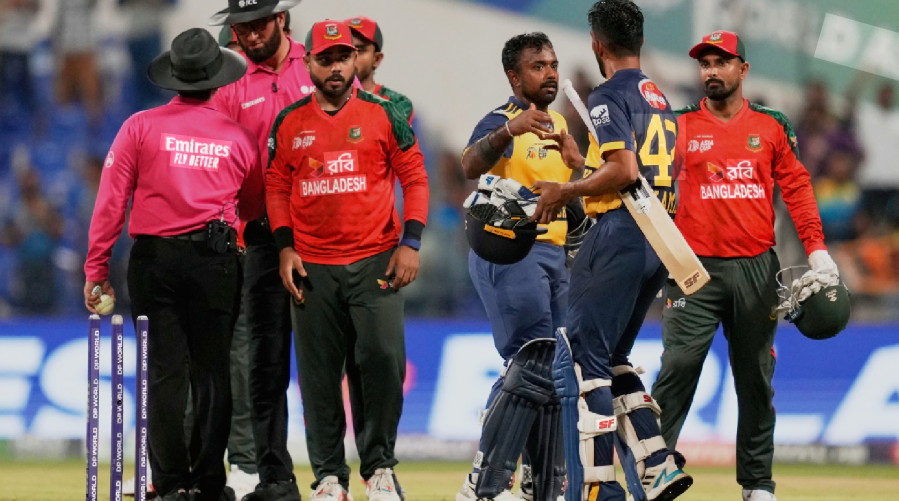
Bangladesh National Cricket Team Vs Sri Lanka National Cricket Team Stats
Table of Contents
Cricket rivalry between these two Asian teams has evolved into a fascinating journey of growth, pressure, and transformation over the years. What began as a one-sided contest slowly developed into a more competitive and emotionally charged battle on the international stage. Early encounters highlighted experience gaps, but they also marked the beginning of a learning curve for the developing side. As formats evolved and player skills improved, matches started producing closer scorecards and unforgettable moments. From dominant performances to unexpected upsets, this rivalry reflects how international cricket can shift over time, shaped by strategy, talent, and rising national expectations.
Latest Matches Table
| Date | Format | Venue | Winner | Margin | First Innings Score | Second Innings Score |
| 20 Sep 2025 | T20I | Dubai | Bangladesh | 4 wickets | Sri Lanka 168/7 | Bangladesh 169/6 |
| 13 Sep 2025 | T20I | Abu Dhabi | Sri Lanka | 6 wickets | Bangladesh 139/5 | Sri Lanka 140/4 |
| 16 Jul 2025 | T20I | Colombo | Bangladesh | 8 wickets | Sri Lanka 132/7 | Bangladesh 133/2 |
| 13 Jul 2025 | T20I | Dambulla | Bangladesh | 83 runs | Bangladesh 177/7 | Sri Lanka 94/10 |
| 10 Jul 2025 | T20I | Pallekele | Sri Lanka | 7 wickets | Bangladesh 154/5 | Sri Lanka 159/3 |
| 08 Jul 2025 | ODI | Pallekele | Sri Lanka | 99 runs | Sri Lanka 285/7 | Bangladesh 186/10 |
Team Statistics Summary Table
| Team | Test Played | Test Won | ODI Played | ODI Won | T20I Played | T20I Won |
| Sri Lanka | 28 | 21 | 60 | 45 | 21 | 13 |
| Bangladesh | 28 | 1 | 60 | 13 | 21 | 9 |
| Tie No Result | 28 | 6 | 60 | 2 | 21 | 0 |
| Sri Lanka Home | 14 | 10 | 32 | 26 | 12 | 8 |
| Bangladesh Home | 14 | 1 | 24 | 10 | 6 | 3 |
| Neutral Venue | 0 | 0 | 4 | 1 | 3 | 2 |
Individual Batting Records Table
| Player Name | Country | Matches | Innings | Total Runs | Highest Score | Batting Average |
| Mushfiqur Rahim | Bangladesh | 37 | 37 | 1207 | 144 | 35.50 |
| Kumar Sangakkara | Sri Lanka | 28 | 28 | 1206 | 128 | 48.24 |
| Kusal Mendis | Sri Lanka | 24 | 23 | 915 | 102 | 41.59 |
| Mahmudullah | Bangladesh | 31 | 29 | 842 | 114 | 31.18 |
| Shakib Al Hasan | Bangladesh | 26 | 26 | 785 | 92 | 30.19 |
| Tamim Iqbal | Bangladesh | 25 | 25 | 761 | 127 | 30.44 |
Individual Bowling Records Table
| Bowler Name | Country | Matches | Innings | Total Wickets | Best Bowling | Economy Rate |
| Muttiah Muralitharan | Sri Lanka | 17 | 17 | 31 | 5/31 | 3.34 |
| Mashrafe Mortaza | Bangladesh | 22 | 22 | 26 | 3/25 | 5.22 |
| Mustafizur Rahman | Bangladesh | 16 | 16 | 20 | 4/45 | 5.48 |
| Lasith Malinga | Sri Lanka | 15 | 14 | 19 | 4/25 | 4.91 |
| Shakib Al Hasan | Bangladesh | 22 | 21 | 18 | 3/47 | 4.88 |
| Nuwan Thushara | Sri Lanka | 6 | 6 | 13 | 5/20 | 7.15 |
Early Encounters and Cricket Foundations
The beginning of competitive cricket between these two sides reflected a clear gap in experience, structure, and international exposure. One team entered the contest with a long-established cricketing system, while the other was still shaping its identity on the global stage. Early matches were heavily influenced by disciplined batting orders and structured bowling attacks, which often restricted the newer side to below-par totals. These games were not just about results but about learning how international pressure behaves in real match situations. Over time, even in defeat, important lessons were absorbed in shot selection, bowling consistency, and field placements. The early phase also helped build mental toughness for future encounters, where expectations would gradually rise. Although scorecards often looked one-sided, they laid the foundation for a rivalry that would slowly become more competitive and emotionally charged.
| Match Type | Dominant Batting Side | Bowling Control | Result Pattern | Key Insight |
| ODI | Experienced team | High control | One-sided wins | Skill gap visible |
| Test | Balanced dominance | Spin advantage | Long sessions | Endurance issue |
| ODI | Top order stability | Early wickets | Comfortable win | Pressure handling |
| T20 | Aggressive start | Death overs | Quick finishes | Adaptation needed |
First Official Clashes and Scorecard Reality
When official international fixtures began, the scorecards consistently highlighted a difference in match temperament and execution. The stronger side often posted commanding totals or chased targets with calculated ease, while the emerging team struggled to convert starts into impactful innings. These matches were less about rivalry intensity and more about establishing international credibility. However, small breakthroughs in batting partnerships and occasional disciplined bowling spells started appearing on the scorecards. Even though results were predictable, the foundation of a future competitive rivalry was being quietly built. Fielding improvements and tactical awareness slowly became visible, especially in pressure overs. The early official encounters created a benchmark that pushed one side to evolve faster and the other to maintain dominance through experience and consistency.
| Match Type | First Innings Score | Chase Success | Bowling Impact | Match Control |
| ODI | 250+ consistently | High | Swing dominance | Strong control |
| ODI | 180–220 range | Medium | Spin pressure | Balanced edge |
| Test | 350+ totals | Low | Spin attack | Long dominance |
| T20 | 160+ aggressive | High | Death overs | Fast tempo |
Rise of Competitive Identity and Team Development
As time progressed, the emerging side began developing a more structured cricket identity built around disciplined batting and improved bowling variations. Coaching systems became more refined, and players started showing confidence against high-quality attacks. This phase marked the transition from predictable outcomes to more competitive scorecards. Middle-order stability became a key factor, allowing teams to recover from early setbacks. Bowling units also started experimenting with pace changes and spin combinations, which reduced the margin of defeat. Although the experienced side still held an upper hand, the matches were no longer one-sided. Tactical awareness, fitness improvements, and exposure to global leagues helped bridge the gap. This phase represented the beginning of a more balanced cricketing relationship where both teams started respecting each other’s strengths.
| Development Area | Improvement Level | Impact on Matches | Key Change | Result Trend |
| Batting depth | Moderate | Higher totals | Stability | Competitive |
| Bowling variety | High | Wickets gained | Spin mix | Improved |
| Fielding | Moderate | Saved runs | Agility | Better |
| Fitness level | High | Endurance boost | Stamina | Stronger |
Growing Competitive Spirit in Major Tournaments
Tournament cricket brought a new level of intensity to this rivalry, especially in multi-nation events where pressure situations became unavoidable. Matches in these competitions often shifted momentum rapidly, with both sides experiencing dramatic collapses and recovery phases. The emerging team began challenging stronger opponents with fearless batting in powerplays, while experienced teams relied on tactical depth and calm under pressure. These encounters became more than just matches; they turned into emotional battles driven by national pride. Scorecards from this phase often showed closer margins, reflecting the narrowing gap in performance. Bowlers on both sides started playing decisive roles, especially in middle overs where control became crucial. These games marked the beginning of genuine unpredictability in outcomes.
| Tournament Stage | Average Score | Winning Margin | Key Performer Type | Match Nature |
| Group Stage | 240–270 | Narrow | All-rounders | Competitive |
| Knockout Games | 220–260 | Very close | Bowlers | Pressure-heavy |
| League Matches | 200–250 | Medium | Top order | Balanced |
| Finals/Clashes | 230–280 | Tight finishes | Finishers | High tension |
ODI and T20 Closely Fought Battles
With the evolution of limited-overs cricket, matches between these teams became faster, sharper, and more unpredictable. ODI contests started featuring stronger powerplay performances and improved death over strategies. In T20 cricket, even small mistakes had major consequences, often turning matches in a single over. Both teams adapted by strengthening their finishing ability and introducing aggressive middle-order hitters. Bowling strategies also evolved with slower balls, yorkers, and spin variations becoming crucial. Several matches ended in final over thrillers, reflecting how evenly matched both sides had become in certain conditions. This phase truly defined the modern identity of the rivalry, where no result could be predicted until the final delivery.
| Format | Average First Innings | Chase Success Rate | Key Strategy | Pressure Factor |
| ODI | 260–290 | Medium | Build innings | High |
| T20 | 150–180 | High | Power hitting | Very high |
| ODI | 240–270 | Balanced | Spin control | Medium |
| T20 | 160–190 | Unpredictable | Death overs | Extreme |
Tactical Battles, Player Duels and Bowling Strategies
One of the most fascinating aspects of this rivalry has been the tactical adjustments made by both teams over time. Captains frequently experimented with field placements and bowling rotations to gain control in crucial phases. Player duels added another layer of excitement, especially when aggressive batters faced high-quality fast bowlers or spinners. These matchups often determined momentum shifts within overs. Bowling strategies evolved significantly, with teams relying on variations rather than raw pace or spin alone. Middle-over containment became a key focus, while death overs required precision and calm execution. The rivalry also saw several individual battles that defined entire matches, making scorecards heavily influenced by key moments rather than overall dominance.
| Tactical Area | Strategy Used | Success Rate | Key Impact Zone | Match Influence |
| Powerplay bowling | Early aggression | High | Top order | Strong |
| Middle overs | Spin control | Medium | Run rate control | Decisive |
| Death overs | Yorkers variation | High | Final overs | Match winning |
| Batting duels | Targeted matchups | Variable | Key batsmen | Momentum shift |
Records, Modern Matches and Emotional Rivalry Growth
In recent years, the rivalry has become more balanced with both teams sharing victories across formats. Record-breaking performances, including high individual scores and impactful bowling spells, have added depth to the contest. Modern matches often reflect better preparation, analytics-driven strategies, and improved fitness levels. Home advantage continues to play a major role, with conditions in different venues influencing outcomes significantly. Fans have become emotionally invested, turning every match into a high-pressure event filled with expectations and reactions. Recent scorecards show closer margins, indicating how far both teams have come in terms of competitiveness. The rivalry today stands as a symbol of growth, resilience, and regional pride, where every match carries equal importance regardless of historical dominance.
| Era | Avg Total | Win Distribution | Key Strength Area | Rivalry Intensity |
| Early Years | Low | One-sided | Experience | Low |
| Middle Phase | Moderate | Mixed | Adaptation | Medium |
| Modern Era | High | Balanced | All-round skill | Very High |
| Recent Years | Variable | Unpredictable | Strategy | Extreme |
Conclusion
The rivalry today stands as a balanced and competitive chapter in modern cricket history. Both teams have experienced phases of dominance, rebuilding, and resurgence, making every encounter unpredictable and engaging. Scorecards now reflect narrow margins, stronger performances, and tactical depth from both sides. Players have grown into match-winners capable of changing outcomes in pressure situations, while fans have witnessed emotional highs and heartbreaking lows. This journey shows how consistent development, experience, and adaptability can transform a rivalry from uneven beginnings into a respected and closely fought cricketing contest that continues to evolve with every new series.