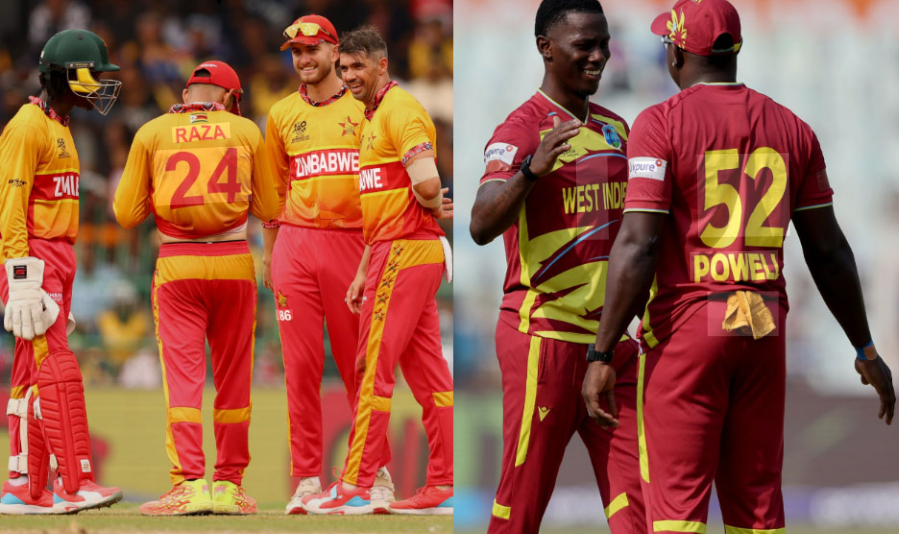
West Indies Cricket Team Vs Zimbabwe National Cricket Team Timeline
Table of Contents
The cricket journey between the Caribbean side and the African side has always carried a unique mix of contrast, competition, and evolving skill. From their earliest meetings to modern encounters, the matches have reflected two different cricketing identities clashing on the same stage. One side brings natural aggression and flair, while the other relies on discipline, structure, and patience. Over time, this matchup has produced unforgettable moments, shifting momentum, and standout individual performances that shaped the overall timeline. Every game has added a new chapter to their developing cricket relationship, making this rivalry an interesting study of growth, adaptation, and competitive spirit in international cricket.
Latest Matches
| Date | Format | Venue | Winner | Margin |
| 23 Feb 2026 | T20I | Wankhede Stadium, Mumbai | West Indies | Won by 107 runs |
| 24 Jun 2023 | ODI | Harare Sports Club, Harare | Zimbabwe | Won by 35 runs |
| 12 Feb 2023 | Test | Queen’s Sports Club, Bulawayo | West Indies | Won by an innings and 4 runs |
| 04 Feb 2023 | Test | Queen’s Sports Club, Bulawayo | Draw | Match Drawn |
| 19 Oct 2022 | T20I | Bellerive Oval, Hobart | West Indies | Won by 31 runs |
All-Time Head-to-Head Record
| Format | Played | West Indies Won | Zimbabwe Won | Tied / No Result |
| Test Matches | 13 | 8 | 0 | 5 |
| One-Day Internationals (ODI) | 49 | 36 | 11 | 2 |
| Twenty20 Internationals (T20I) | 5 | 4 | 1 | 0 |
| Total | 67 | 48 | 12 | 7 |
All-Time Batting Leaders
| Player | Team | Matches | Runs | Highest Score | Average |
| Chris Gayle | West Indies | 31 | 1549 | 215 | 57.37 |
| Brian Lara | West Indies | 26 | 1214 | 117 | 46.69 |
| Shivnarine Chanderpaul | West Indies | 32 | 1184 | 108 | 49.33 |
| Craig Ervine | Zimbabwe | 22 | 871 | 104 | 34.84 |
| Brendan Taylor | Zimbabwe | 19 | 742 | 98 | 41.22 |
All-Time Bowling Leaders
| Player | Team | Matches | Wickets | Best Bowling | Average |
| Courtney Walsh | West Indies | 22 | 41 | 4/18 | 18.42 |
| Curtly Ambrose | West Indies | 17 | 34 | 4/25 | 16.11 |
| Heath Streak | Zimbabwe | 24 | 32 | 4/33 | 28.15 |
| Kemar Roach | West Indies | 14 | 29 | 4/38 | 22.58 |
| Graeme Cremer | Zimbabwe | 15 | 26 | 4/44 | 25.92 |
Early Encounters and Foundation Phase
The first meetings between the Caribbean side and the African side set the emotional tone for everything that followed. The early phase was not just about results but about adjustment to international pressure, unfamiliar conditions, and contrasting playing styles. The Caribbean team arrived with a reputation for natural flair and aggressive stroke play, while the African side focused on discipline, patience, and building partnerships. In these early contests, experience played a major role, as senior players often dictated the rhythm of the game. However, the African team gradually showed that they could challenge stronger opposition when conditions supported their structured approach. These matches also exposed weaknesses in middle order stability and death over execution for both sides. Over time, the early encounters became a reference point for improvement, shaping strategies and team selections for future meetings.
| Match Type | Venue Condition | Dominant Phase | Key Factor | Outcome Pattern |
| ODI | Flat pitch | Batting | Top order strength | High scoring wins |
| Test | Slow pitch | Bowling | Spin control | Draw or low win margin |
| ODI | Swing conditions | Early overs | Seam movement | Early wickets decisive |
| Test | Balanced | Middle sessions | Patience batting | Draw or late result |
First Competitive Turning Point Phase
As the rivalry developed, matches started becoming more balanced and unpredictable. The African side began to show real competitiveness, especially in home conditions where their bowlers extracted more movement and bounce. The Caribbean side, however, relied heavily on explosive batting and individual brilliance to stay ahead in contests. This phase saw games that were no longer one sided but instead turned into closely fought battles decided in the final overs or final sessions. Fielding standards also became a deciding factor, with dropped catches and run outs changing match outcomes. The psychological pressure of staying consistent across formats began to define team selection strategies. Coaches on both sides started focusing on match specific plans rather than general approaches, signaling a shift toward modern tactical cricket thinking.
| Phase | Strength Area | Weakness Area | Key Skill Impact | Match Result Trend |
| Early overs | Fast bowling | Batting starts | Swing control | Balanced outcomes |
| Middle overs | Spin control | Strike rotation | Partnership building | Tight contests |
| Death overs | Power hitting | Fielding errors | Finishing ability | Last over finishes |
| Home games | Local adaptation | Away adjustment | Pitch reading | Home advantage wins |
Growth of Competitive Balance Era
During this stage, the gap between the two teams narrowed significantly. The African side improved their batting depth, while the Caribbean team worked on stabilizing their bowling attack. Matches became more strategic, with captains experimenting with field placements and bowling rotations. This period is remembered for sudden momentum shifts where a single over could completely change the direction of the game. Young players from both sides began to emerge, bringing fresh energy and fearlessness to high pressure situations. The rivalry no longer depended solely on senior players but became a team effort. Analysts started noting that adaptability under pressure was now more important than raw talent alone. This phase marked the true beginning of a balanced international contest where outcomes were not predictable before the final session.
| Aspect | Caribbean Side | African Side | Key Improvement | Impact Level |
| Batting depth | Explosive finishers | Stable anchors | Middle order support | High |
| Bowling attack | Pace variation | Spin consistency | Control in middle overs | High |
| Fielding | Athletic saves | Structured setup | Reduced errors | Medium |
| Captaincy | Aggressive calls | Tactical patience | Game awareness | High |
ODI Clashes and Limited Overs Battles
One of the most exciting parts of this rivalry has been their limited overs encounters. These matches often featured high scoring chases, rapid wicket falls, and dramatic momentum swings. The Caribbean batting lineup frequently relied on aggressive starts, aiming to dominate powerplays, while the African side focused on building innings steadily before accelerating in the final overs. Several matches were decided in the last over, highlighting how evenly matched both teams had become in ODI conditions. Bowlers played a crucial role in controlling run rates, especially during middle overs where pressure often led to mistakes. These contests also produced standout individual performances that became defining moments in their rivalry history.
| ODI Factor | Caribbean Approach | African Approach | Key Difference | Match Impact |
| Powerplay | Aggressive hitting | Wicket preservation | Risk vs safety | Early momentum |
| Middle overs | Rotation hitting | Partnership focus | Stability vs pressure | Control phase |
| Death overs | Big shots | Bowling yorkers | Finishing skills | Final result |
| Fielding | Athletic saves | Structured coverage | Error rate | Close finishes |
Test Format Battles and Endurance Challenge
In longer format matches, patience and endurance became the defining characteristics of the contests. The African side often used disciplined bowling spells to build pressure over long sessions, while the Caribbean team relied on individual batting brilliance to recover from collapses. Test matches revealed deeper tactical layers, including session planning, pitch deterioration management, and bowlers’ workload distribution. Unlike shorter formats, mistakes here were punished over longer periods, making concentration a critical factor. Some matches featured long batting partnerships that frustrated bowlers and changed match direction slowly but effectively. Weather conditions and pitch behavior also played a significant role in shaping outcomes, often leading to draws when neither side could force a breakthrough.
| Test Element | Caribbean Strategy | African Strategy | Key Strength | Outcome Influence |
| First innings | Aggressive scoring | Defensive stability | Setting totals | Match control |
| Middle innings | Recovery play | Pressure bowling | Patience | Draw or shift |
| Final innings | Chase attempt | Defensive field | Endurance | Result decision |
| Pitch usage | Adaptation | Spin reliance | Tactical depth | Long match control |
Star Performances and Match Winners
Throughout their encounters, several players from both sides delivered performances that defined entire matches. The Caribbean side often saw explosive batting displays that shifted momentum within a few overs, while the African side produced disciplined bowling spells that restricted strong batting lineups. These individual efforts often became the difference between victory and defeat. In many matches, all round contributions played a crucial role, especially when conditions were challenging. The rivalry also highlighted emerging talents who later became consistent performers at the international level. These standout moments are remembered not just for statistics but for timing, pressure handling, and match impact.
| Performance Type | Caribbean Highlight | African Highlight | Match Situation | Impact Level |
| Batting | Fast scoring innings | Anchoring knocks | Chase scenarios | Very high |
| Bowling | Wicket bursts | Economy control | Defending totals | High |
| All round | Dual impact | Match stability | Balanced games | Very high |
| Fielding | Direct hits | Catch efficiency | Pressure moments | Medium |
Tactical Evolution and Leadership Decisions
Captaincy played a major role in shaping outcomes across different phases of the rivalry. The Caribbean leadership often leaned toward aggressive field placements and attacking bowling changes, aiming to dominate early. In contrast, the African leadership focused on building pressure gradually and waiting for mistakes. Over time, both approaches evolved, with captains learning to adapt based on match situations rather than fixed strategies. This tactical flexibility became crucial in closely contested matches. Bowling rotations, powerplay usage, and batting order adjustments were frequently used as surprise elements. These decisions often determined whether a team could shift momentum in its favor during critical stages.
| Tactical Area | Caribbean Style | African Style | Adaptation Factor | Result Impact |
| Field setup | Aggressive | Defensive | Situational | High |
| Bowling changes | Fast rotation | Planned spells | Control timing | Medium |
| Batting order | Flexible hitters | Structured lineup | Stability | High |
| Powerplay use | Attack focus | Risk control | Momentum shift | High |
Fan Energy and Rivalry Atmosphere
Beyond statistics and tactics, the emotional side of this rivalry has always been significant. Fans from the Caribbean bring vibrant energy, celebrating boundaries and wickets with unmatched passion. On the other hand, supporters from the African region show deep emotional investment, especially when their team competes against stronger opponents. Stadium atmospheres during these matches often become intense, with momentum swings reflected in crowd reactions. Social media discussions and post match debates further amplify the rivalry narrative. Over time, these encounters have built a cultural connection between the two cricketing regions, making every match more than just a sporting contest.
| Fan Aspect | Caribbean Fans | African Fans | Atmosphere Effect | Engagement Level |
| Celebration style | Loud and expressive | Emotional and steady | High energy | Very high |
| Match reaction | Instant response | Analytical discussion | Balanced intensity | High |
| Social media | Viral highlights | Tactical debate | Global reach | High |
| Stadium presence | Colorful support | Loyal following | Emotional pressure | Very high |
Conclusion
The timeline of encounters between these two teams shows how cricket evolves through experience, strategy, and resilience. What began as uneven contests gradually turned into competitive battles shaped by preparation and execution. Both sides learned from each meeting, improving their weaknesses and refining their strengths. The rivalry stands as a reminder that international cricket is not only about winning but also about development under pressure. Each match contributed to a broader story of determination, tactical evolution, and sporting respect. Over time, this contest has become a valuable part of cricket history, reflecting the true spirit of the game.