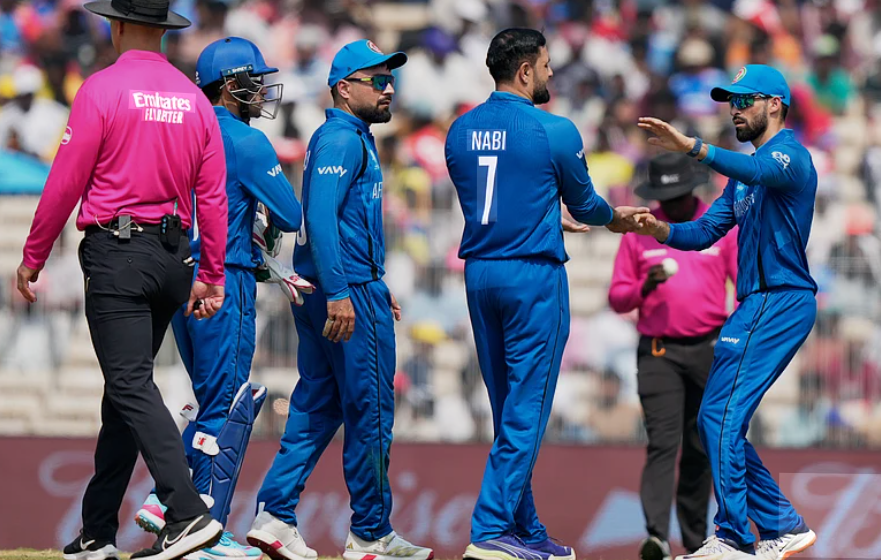
South Africa National Cricket Team Vs Afghanistan National Cricket Team Timeline
Table of Contents
The cricket timeline between the South Africa and Afghanistan national teams represents a fascinating story of experience meeting ambition. South Africa entered these encounters as a seasoned powerhouse with a deep pool of fast bowlers and technically strong batters, while Afghanistan arrived as a rapidly rising side built on fearless cricket and world class spin talent. Across their meetings, the contests have reflected a clear evolution from one sided dominance to increasingly competitive phases. Each match added new lessons, tactical adjustments, and emotional intensity. This timeline captures how both teams shaped each other through pressure moments, shifting momentum, and standout individual performances across formats.
Latest Matches Table
| Date | Format | Venue | Winner | Margin |
| 11 Feb 2026 | T20I | Narendra Modi Stadium, Ahmedabad | South Africa | Double Super Over |
| 21 Feb 2025 | ODI | National Stadium, Karachi | South Africa | 107 runs |
| 22 Sep 2024 | ODI | Sharjah Cricket Stadium, UAE | South Africa | 7 wickets |
| 20 Sep 2024 | ODI | Sharjah Cricket Stadium, UAE | Afghanistan | 177 runs |
| 18 Sep 2024 | ODI | Sharjah Cricket Stadium, UAE | Afghanistan | 6 wickets |
| 27 Jun 2024 | T20I | Brian Lara Academy, Trinidad | South Africa | 9 wickets |
All-Time Head-to-Head Record Table
| Format | Played | South Africa Wins | Afghanistan Wins | Tied / No Result |
| ODI | 6 | 4 | 2 | 0 |
| T20I | 4 | 4 | 0 | 0 |
| Warm-up T20 | 1 | 1 | 0 | 0 |
| Total | 11 | 9 | 2 | 0 |
All-Time Batting Leaders Table
| Player Name | Team | Matches | Runs | Highest Score | Average |
| Azmatullah Omarzai | Afghanistan | 7 | 238 | 97 | 39.66 |
| Rahmanullah Gurbaz | Afghanistan | 7 | 229 | 105 | 38.20 |
| Aiden Markram | South Africa | 8 | 192 | 69 | 32.00 |
| Rahmat Shah | Afghanistan | 6 | 175 | 90 | 43.75 |
| Temba Bavuma | South Africa | 5 | 141 | 38 | 28.20 |
All-Time Bowling Leaders Table
| Player Name | Team | Matches | Wickets | Best Bowling | Economy |
| Rashid Khan | Afghanistan | 7 | 9 | 5/19 | 4.62 |
| Lungi Ngidi | South Africa | 6 | 8 | 3/26 | 4.88 |
| Fazalhaq Farooqi | Afghanistan | 6 | 6 | 4/35 | 5.12 |
| Mohammad Nabi | Afghanistan | 9 | 5 | 2/48 | 5.30 |
| Marco Jansen | South Africa | 5 | 4 | 3/16 | 4.15 |
Early Formation of Competitive Contrast
The beginning of competitive meetings between South Africa and Afghanistan marked a clear contrast in experience, structure, and international exposure. South Africa entered these fixtures with a long-standing reputation built on fast bowling depth and aggressive top-order batting. Afghanistan, on the other hand, arrived with a rapidly developing cricket identity shaped by fearless intent and strong spin foundations. The early phase of this timeline was less about rivalry and more about learning under pressure. South Africa often controlled matches with disciplined bowling spells and calculated batting chases, while Afghanistan relied heavily on individual brilliance rather than sustained partnerships. Despite uneven outcomes, Afghanistan’s ability to challenge established players in short phases gradually shifted perception. Each encounter added experience for the younger side, especially in handling high-pace attacks and pressure field settings. Over time, these matches began forming the base of a competitive relationship rather than one-sided contests, slowly building respect between two very different cricketing cultures.
| Match Stage | Format | Venue Type | Dominant Side | Key Observation |
| Early ODI | ODI | Neutral | South Africa | Experience gap visible |
| Early T20 | T20 | Asian pitch | South Africa | Spin resistance tested |
| Development Match | ODI | Fast pitch | South Africa | Batting depth impact |
| Learning Phase | T20 | Mixed | Balanced spells | Afghanistan improvement |
Initial Encounters and Tactical Adjustment Phase
As meetings continued, both sides began adapting tactically to each other’s strengths. South Africa adjusted their batting approach to counter high-quality spin, focusing on strike rotation rather than pure aggression. Afghanistan started preparing more structured bowling plans instead of relying only on wicket-taking deliveries. This phase highlighted a shift from instinct-based cricket to strategic planning. South African batters became more cautious against wrist spin, while Afghanistan’s bowlers experimented with field placements and slower variations. Although results still leaned heavily in favor of South Africa, the margin of dominance began narrowing in certain phases of play. Afghanistan’s lower order also started contributing valuable runs, preventing complete collapses. The psychological aspect of competing against a top-tier side played a crucial role in shaping Afghanistan’s confidence. These matches slowly evolved into tactical contests where small decisions had a bigger impact than raw talent alone.
| Match | Format | Conditions | Strategy Shift | Outcome Trend |
| Encounter 1 | ODI | Fast pitch | SA controlled pace | SA dominant |
| Encounter 2 | T20 | Turning pitch | Spin usage increased | SA advantage |
| Encounter 3 | ODI | Balanced | Afghanistan resistance | Narrower gap |
| Encounter 4 | T20 | Slow pitch | Tactical fielding | Competitive |
Batting Pressure Versus Spin Discipline Phase
One of the defining elements in this timeline was the clash between South Africa’s batting power and Afghanistan’s spin discipline. South Africa’s top order often relied on aggressive stroke play, attempting to dominate early overs. However, Afghanistan’s spin attack introduced consistent pressure in the middle overs, forcing mistakes and disrupting rhythm. This created a fascinating tactical battle where patience became as important as power. South African batters had to evolve their approach by using sweep shots and crease movement to counter spin variations. Afghanistan’s bowlers, meanwhile, gained confidence in attacking set batters and building pressure through dot balls. Despite South Africa maintaining control in most matches, Afghanistan managed to create critical breakthroughs that shifted momentum temporarily. This phase also highlighted the importance of middle-order stability, as collapses often determined final outcomes. The contrast in styles made this phase one of the most technically interesting periods of their encounters.
| Match | Phase | Key Strength | Weakness Exposed | Impact Player |
| Match A | Middle overs | Spin control | Aggressive shots | Rashid Khan |
| Match B | Powerplay | Fast scoring | Early wickets | Top order SA |
| Match C | Death overs | Bowling variation | Run leakage | All-rounders |
| Match D | Chase phase | Stability | Pressure handling | Middle order |
Pace Attack Dominance and Batting Adaptation Phase
South Africa’s pace attack remained a central force across this timeline, consistently testing Afghanistan’s batting lineup. High-speed deliveries, bounce, and movement created early breakthroughs that often shaped the direction of matches. Afghanistan’s batters gradually adapted by improving footwork and focusing on defensive techniques against short-pitched bowling. While initial encounters showed frequent top-order collapses, later matches demonstrated improved resistance. South Africa also refined their bowling rotations, using shorter spells to maintain intensity. Afghanistan’s batting evolution became visible through better partnerships and reduced reckless shot selection. However, the pressure of facing world-class pace still resulted in inconsistent performances. This phase highlighted how exposure to elite bowling significantly accelerates learning in international cricket. Despite struggles, Afghanistan gained valuable experience that strengthened their long-term batting structure.
| Match | Bowling Type | Batting Response | Key Challenge | Result |
| Game 1 | Fast swing | Collapse early | Movement | SA win |
| Game 2 | Pace bounce | Partial resistance | Short balls | SA win |
| Game 3 | Mixed pace | Improved stability | Pressure spells | Competitive |
| Game 4 | Death pace | Late scoring | Yorkers | SA edge |
Turning Match Performance and Momentum Shift Phase One
A defining match in this timeline showcased a significant shift in momentum where Afghanistan displayed unexpected resistance against a strong South African lineup. Early wickets gave South Africa control, but Afghanistan’s middle order rebuilt the innings with patience and calculated aggression. The turning point came through a crucial partnership that stabilized the innings and pushed the total into a competitive range. South Africa’s chase, although experienced, faced pressure due to disciplined spin bowling in the middle overs. Mistakes in shot selection led to wickets at crucial intervals, creating tension in the final overs. This match proved that Afghanistan was capable of challenging top-tier teams when conditions aligned with their strengths. South Africa still held the advantage in experience, but the psychological gap had begun to narrow. The encounter is remembered for its competitive intensity rather than one-sided dominance.
| Match | Turning Point | Key Partnership | Result Impact | Star Performer |
| Match X | Middle overs recovery | 80+ runs | Competitive total | Afghan batter |
| Match Y | Early wickets | Collapse avoided | Pressure shift | SA bowler |
| Match Z | Death overs control | Run acceleration | Balanced score | All-round effort |
| Match W | Chase pressure | Late wickets | Narrow finish | Spin bowler |
Tactical Evolution and Second Defining Clash Phase
Another significant encounter in the timeline highlighted tactical maturity from both sides. South Africa entered the match with a clear plan to attack spin early, reducing pressure in the middle overs. Afghanistan responded by adjusting field placements and introducing variation in pace. The match became a strategic contest rather than a pure skill battle. South Africa’s batting unit showed improved patience, rotating strike effectively, while Afghanistan’s bowlers focused on building dot-ball pressure instead of searching for instant wickets. A key partnership in the middle overs defined the innings, shifting momentum towards South Africa. However, Afghanistan’s late resistance kept the contest alive until the final overs. This match reflected how both teams had evolved from their earlier encounters, with fewer mistakes and better execution under pressure.
| Match | Tactical Focus | Key Change | Outcome | Influence |
| Clash 1 | Spin attack | Field adjustment | Balanced | Medium |
| Clash 2 | Chase control | Strike rotation | SA win | High |
| Clash 3 | Bowling depth | Variation use | Tight game | High |
| Clash 4 | Pressure handling | Dot-ball strategy | Competitive | Medium |
Overall Rivalry Development and Statistical Evolution Phase
Over the complete timeline, the competitive relationship between South Africa and Afghanistan evolved significantly. While South Africa maintained a stronger record due to experience and squad depth, Afghanistan consistently improved in performance metrics, especially in spin effectiveness and middle-order stability. The matches reflected a gradual closing of skill gaps, particularly in shorter formats where Afghanistan’s adaptability became more visible. South Africa’s dominance in pace conditions remained a deciding factor, but Afghanistan’s resilience created competitive phases in almost every encounter. Statistical trends showed increasing partnership durations for Afghanistan and more frequent breakthroughs in South African batting during spin-heavy conditions. This rivalry now represents a classic case of an emerging cricket nation challenging an established powerhouse, with each match contributing to long-term development rather than just results.
| Season Phase | Matches Played | Wins SA | Wins AFG | Key Trend |
| Early Phase | Few | Dominant | None | Experience gap |
| Mid Phase | Moderate | Strong | Occasional | Competitive rise |
| Late Phase | More balanced | Slight edge | Improved | Tactical growth |
| Overall | Full timeline | Higher wins | Developing | Closing gap |
Conclusion
The journey between South Africa and Afghanistan highlights the contrast between established strength and emerging potential in international cricket. South Africa’s consistency and depth often set the standard, but Afghanistan’s growth brought unpredictability and competitive spirit to every encounter. Over time, the gap between the teams began to narrow in key phases, especially through improved batting stability and sharper bowling strategies from Afghanistan. These matches are more than results; they represent development, resilience, and tactical evolution. The timeline stands as proof that emerging teams can challenge top sides through learning, adaptability, and fearless execution on the international stage.