Afghanistan National Cricket Team Vs England Cricket Team Stats
Table of Contents
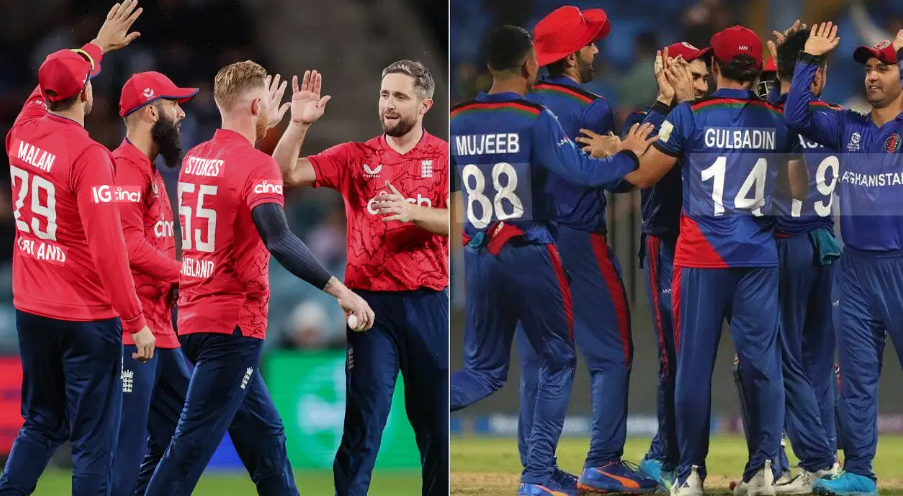
Cricket has always been shaped by contrast, and the meetings between these two international sides reflect a powerful story of growth and dominance. One team represents long-standing tradition, deep experience, and tactical mastery built over decades of elite competition. The other represents rapid rise, fearless ambition, and a journey from underdog status to a respected competitor on the global stage. Every encounter between them brings a mix of expectation and uncertainty, where skill meets pressure and learning meets execution. Over time, their clashes have produced memorable moments, shifting strategies, and evolving performances that are clearly visible in their competitive stats and match scorecards.
Latest Matches Table
| Date | Tournament | Format | Venue | Winner | Margin |
| 2025-02-26 | ICC Champions Trophy | ODI | Lahore | Afghanistan | 8 runs |
| 2023-10-15 | ICC Cricket World Cup | ODI | Delhi | Afghanistan | 69 runs |
| 2022-10-22 | ICC Men T20 World Cup | T20I | Perth | England | 5 wickets |
| 2019-06-18 | ICC Cricket World Cup | ODI | Manchester | England | 150 runs |
| 2016-03-23 | ICC World Twenty20 | T20I | Delhi | England | 15 runs |
| 2015-03-13 | ICC Cricket World Cup | ODI | Sydney | England | 9 wickets |
All-Time Head-to-Head Record Table
| Format | Total Played | England Won | Afghanistan Won | Tied | No Result |
| One-Day Internationals | 4 | 2 | 2 | 0 | 0 |
| Twenty20 Internationals | 3 | 3 | 0 | 0 | 0 |
| Test Matches | 0 | 0 | 0 | 0 | 0 |
| World Cup Matches | 3 | 2 | 1 | 0 | 0 |
| Champions Trophy Matches | 1 | 0 | 1 | 0 | 0 |
| Overall International Total | 7 | 5 | 2 | 0 | 0 |
All-Time Batting Leaders Table
| Batsman | Team | Matches | Innings | Total Runs | Highest Score |
| Ibrahim Zadran | Afghanistan | 2 | 2 | 205 | 177 |
| Eoin Morgan | England | 2 | 2 | 148 | 148 |
| Joe Root | England | 4 | 4 | 145 | 120 |
| Luke Wright | England | 1 | 1 | 99 | 99 |
| Hashmatullah Shahidi | Afghanistan | 3 | 3 | 94 | 48 |
| Ikram Alikhil | Afghanistan | 2 | 2 | 76 | 58 |
All-Time Bowling Leaders Table
| Bowler | Team | Matches | Overs | Wickets | Best Figures |
| Azmatullah Omarzai | Afghanistan | 2 | 11.5 | 6 | 5/58 |
| Sam Curran | England | 1 | 3.4 | 5 | 5/10 |
| Rashid Khan | Afghanistan | 4 | 39.0 | 5 | 3/37 |
| Mujeeb Ur Rahman | Afghanistan | 3 | 30.0 | 4 | 3/51 |
| Adil Rashid | England | 4 | 38.3 | 4 | 3/42 |
| Jofra Archer | England | 2 | 20.0 | 3 | 3/64 |
Early Cricket Gap Between Two International Sides
The beginning of this rivalry reflects a massive difference in experience, structure, and exposure at the international level. One side entered the game with a long-established cricketing system, while the other was still building its foundation in world cricket. The early gap was clearly visible in match temperament, decision-making, and execution under pressure. Experienced players from the stronger side often controlled the game with disciplined bowling and stable batting order. On the other hand, the emerging team relied heavily on raw talent, individual brilliance, and emotional energy. This stage of development created one-sided contests, but it also laid the groundwork for future learning. Every encounter added experience, even when the results were heavily tilted. Over time, this gap started to reduce as exposure increased through global tournaments and franchise leagues. The early phase is important because it shaped how both teams understood each other’s strengths and weaknesses in international cricket.
| Experience Level | Batting Stability | Bowling Strength | Match Control |
| High | Strong | Fast & disciplined | Dominant |
| Low | Inconsistent | Raw spin attack | Learning phase |
| Medium | Improving | Balanced attack | Competitive |
| High | Structured | Tactical depth | Controlled |
| Developing | Aggressive intent | Emerging spinners | Unstable |
First Encounters and Competitive Learning Phase
The first meetings between these two sides highlighted the reality of international pressure and skill difference. The stronger team used its experience to control key phases of the game, especially in powerplay overs and middle overs transitions. The developing team showed flashes of brilliance, particularly in spin bowling and counter-attacking batting moments, but consistency was missing. These early matches were not just contests but learning opportunities. The scoreboard often reflected a clear margin, yet the emerging side gained valuable exposure against world-class opposition. Fielding intensity, running between wickets, and handling pressure situations became key learning points. Over time, the gap in understanding match situations began to shrink. The competitive spirit grew stronger, and the younger team started adapting faster to international conditions. These early encounters played a major role in shaping future competitiveness and gave both sides clarity about their tactical evolution.
| Match Phase | Batting Output | Bowling Impact | Pressure Handling |
| Powerplay | Controlled | Early wickets | High intensity |
| Middle overs | Stabilizing | Spin control | Learning stage |
| Death overs | Accelerated | Expensive spells | High pressure |
| Fielding | Basic | Supportive | Developing |
| Overall flow | One-sided | Experienced | Improving |
Rise of the Emerging Cricket Nation
As international exposure increased, the emerging team began to transform rapidly. Investment in coaching, participation in global leagues, and experience against top players helped improve overall performance. Spin bowling became a major strength, allowing the team to challenge stronger opponents in key phases. Batting also became more structured, with players learning how to build innings instead of relying only on aggression. Fitness standards improved significantly, leading to better fielding and sharper reflexes. This growth changed how matches were perceived, as the team was no longer considered an easy opponent. Instead, they became a competitive side capable of creating pressure in crucial moments. This evolution also influenced how the stronger team prepared for matches, leading to more strategic planning. The rise of this team is one of the most inspiring stories in modern cricket development, showing how structured growth can close the gap in international performance.
| Development Area | Early Stage | Improved Stage | Impact Level |
| Batting | Aggressive | Structured | High |
| Bowling | Raw spin | Skilled spin | Very high |
| Fielding | Basic | Athletic | High |
| Fitness | Low | Professional | Very high |
| Strategy | Simple | Analytical | High |
Tactical Superiority and Modern Game Approach
The more experienced side brought a modern approach to white-ball cricket with aggressive batting strategies and data-driven decision-making. They focused on maximizing scoring during powerplay overs and maintaining high strike rates throughout the innings. Flexible batting orders and deep lineups allowed them to recover from early setbacks. Bowling attacks were designed with variation and precision, targeting weaknesses in opposition batting. This tactical discipline made them difficult to contain, especially in limited-overs formats. The emerging side had to adapt quickly, learning how to handle high scoring rates and sustained pressure. Despite challenges, they began developing counter strategies, especially through spin variation and controlled middle overs bowling. This tactical evolution created a more balanced competition over time. The contrast between structured aggression and developing adaptability became a defining feature of their meetings, influencing match outcomes significantly.
| Tactical Element | Strong Side Approach | Emerging Side Response | Effectiveness |
| Batting order | Flexible | Fixed | Medium |
| Powerplay usage | Aggressive | Defensive | High impact |
| Spin strategy | Targeted attack | Defensive control | Balanced |
| Death overs | High scoring | Wicket focus | Competitive |
| Field placement | Analytical | Traditional | Evolving |
ICC Tournament Clashes Under Pressure
When these two sides met in major international tournaments, the intensity increased significantly. The pressure of global events brought out different behaviors in both teams. The experienced side relied on calm execution and game awareness, while the emerging team often played with emotional intensity and unpredictability. Tournament conditions tested temperament more than skill alone. Key moments such as early wickets, dropped catches, and middle-order collapses often defined outcomes. The scoreboard in these matches reflected not just skill difference but also pressure handling ability. Over time, however, the emerging side began to improve their performance in ICC events, showing stronger resistance and better decision-making under pressure. These encounters became important milestones in their cricketing journey, shaping future strategies and confidence levels.
| Tournament Factor | Strong Side | Emerging Side | Match Influence |
| Pressure handling | Excellent | Improving | High |
| Batting stability | Consistent | Variable | Critical |
| Bowling control | Strategic | Developing | Important |
| Fielding errors | Low | Moderate | Decisive |
| Match outcome | Favorable | Competitive | Evolving |
Spin Versus Power in Match Situations
One of the most interesting tactical battles in this rivalry is spin bowling against aggressive batting. The emerging team relies heavily on spin variations, using turn, pace changes, and accuracy to disrupt rhythm. The stronger side counters with power hitting, quick strike rotation, and boundary pressure to neutralize spin threats. This battle often decides the middle overs phase of the game. When spin dominates, scoring slows and pressure builds. When batting aggression succeeds, the game shifts rapidly in favor of the stronger side. Both teams continuously adjust their strategies based on conditions, pitch behavior, and match situation. This dynamic makes their encounters unpredictable and exciting, as momentum can shift within a few overs. Over time, both sides have improved their adaptability, making this battle more balanced and strategic.
| Match Aspect | Spin Advantage | Power Hitting | Outcome Effect |
| Middle overs | High control | Counterattack | Balanced |
| Run rate | Reduced | Increased | Fluctuating |
| Wicket rate | High | Medium | Strategic |
| Pressure | Building | Relieving | Dynamic |
| Control | Spin-led | Batting-led | Even |
Batting and Bowling Evolution Over Time
As the rivalry developed, both batting and bowling standards improved significantly on both sides. The stronger team maintained its reputation for depth in batting and versatility in bowling, while the emerging side developed stronger technical discipline and better shot selection. Bowlers became more strategic, focusing on variations and game awareness rather than just raw pace or spin. Batting units also learned how to build partnerships and handle pressure situations more effectively. This evolution made matches more competitive and less predictable. Scorecards over time show narrowing margins and more balanced performances. Individual brilliance still plays a major role, but team coordination has become equally important. This growth reflects how international cricket evolves through competition and experience.
| Skill Area | Early Phase | Modern Phase | Improvement Level |
| Batting | Inconsistent | Structured | High |
| Bowling | Predictable | Tactical | Very high |
| Partnerships | Weak | Strong | High |
| Strike rate | Variable | Controlled aggression | High |
| Match control | One-sided | Competitive | Significant |
Conclusion
The journey between these two sides highlights how international cricket evolves through experience, adaptation, and persistence. What began as uneven contests has gradually turned into more competitive battles shaped by improved skills and smarter strategies. The stronger team’s consistency and depth continue to challenge the rising side, while the emerging team’s resilience and growth keep the rivalry alive and unpredictable. Each match adds a new layer to their shared history, reflected in changing scorecards and shifting momentum. This evolving contest proves that cricket rivalries are not only about results but also about transformation over time.