India National Cricket Team Vs Sri Lanka National Cricket Team Stats
Table of Contents
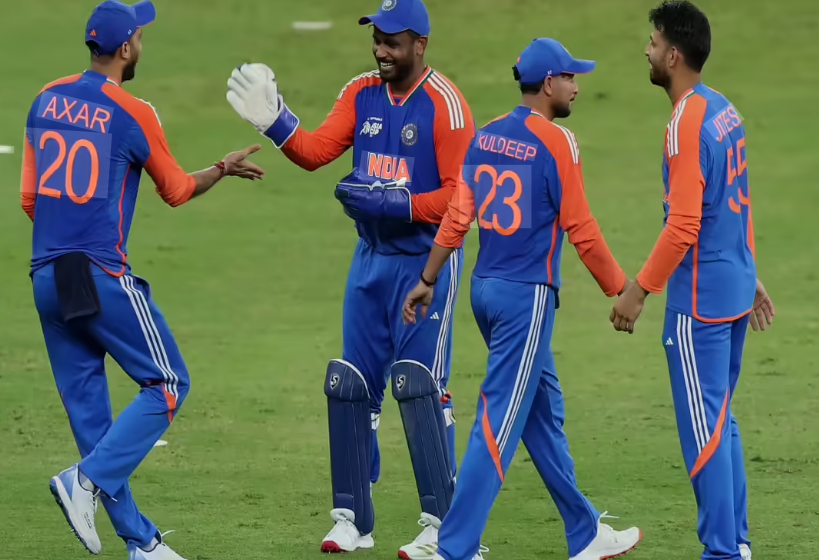
The cricket rivalry between India and Sri Lanka has produced unforgettable moments across Tests, ODIs, and T20 matches. What started as friendly contests between neighboring nations slowly became one of Asia’s most competitive cricket battles. From World Cup clashes and thrilling run chases to legendary player rivalries, every match added new drama to this historic journey. Fans witnessed iconic performances from Sachin Tendulkar, Muttiah Muralitharan, MS Dhoni, Kumar Sangakkara, Virat Kohli, and Lasith Malinga over the years. The rivalry is remembered for emotional pressure, tactical brilliance, and high quality cricket. Every series carried expectations, pride, and intense fan support, making these encounters special for cricket lovers around the world.
Latest matches table
| Date | Format | Venue | Winner | Margin | Score 1 | Score 2 |
| 26 Sep 2025 | T20I | Dubai | India | Super Over | IND 202/5 | SL 202/5 |
| 07 Aug 2024 | ODI | Colombo | Sri Lanka | 110 runs | SL 248/7 | IND 138 |
| 04 Aug 2024 | ODI | Colombo | Sri Lanka | 32 runs | SL 240/9 | IND 208 |
| 02 Aug 2024 | ODI | Colombo | Tied | No Winner | SL 230/8 | IND 230 |
| 30 Jul 2024 | T20I | Pallekele | India | Super Over | IND 137/9 | SL 137/8 |
| 28 Jul 2024 | T20I | Pallekele | India | 7 wickets | SL 161/9 | IND 81/3 |
All-Time Head-to-Head Record table
| Format | Played | India Won | Sri Lanka Won | Tied | No Result | Draws |
| Test | 46 | 22 | 7 | 0 | 0 | 17 |
| ODI | 171 | 99 | 59 | 2 | 11 | 0 |
| T20I | 34 | 24 | 9 | 0 | 1 | 0 |
| Total | 251 | 145 | 75 | 2 | 12 | 17 |
All-Time Batting Leaders table
| Player Name | Country | Matches | Innings | Total Runs | Highest Score | Batting Average |
| Sachin Tendulkar | India | 109 | 130 | 5108 | 203 | 46.43 |
| Mahela Jayawardene | Sri Lanka | 100 | 119 | 4356 | 275 | 41.48 |
| Kumar Sangakkara | Sri Lanka | 92 | 111 | 4253 | 219 | 42.53 |
| Sanath Jayasuriya | Sri Lanka | 110 | 127 | 3911 | 340 | 33.71 |
| Virat Kohli | India | 74 | 86 | 3904 | 243 | 53.47 |
| Rahul Dravid | India | 63 | 77 | 3163 | 177 | 48.66 |
All-Time Bowling Leaders table
| Player Name | Country | Matches | Innings | Wickets | Best Bowling | Economy Rate |
| Muttiah Muralitharan | Sri Lanka | 96 | 117 | 201 | 8/87 | 3.51 |
| Anil Kumble | India | 60 | 72 | 122 | 7/59 | 3.65 |
| Harbhajan Singh | India | 53 | 64 | 91 | 6/102 | 3.72 |
| Chaminda Vaas | Sri Lanka | 67 | 81 | 86 | 5/14 | 4.14 |
| Kapil Dev | India | 35 | 40 | 71 | 5/110 | 3.12 |
| Zaheer Khan | India | 39 | 48 | 66 | 5/29 | 4.41 |
When the Island Neighbours First Crossed Paths
The rivalry started with calm and respectful contests, but it slowly transformed into one of Asia’s most followed cricket battles. Early matches were dominated by experienced Indian batters, while Sri Lanka depended heavily on discipline and patience. Fans from both countries enjoyed the cultural connection, yet every contest carried growing competitive energy. The first meetings helped Sri Lanka gain confidence at the international level and taught India how dangerous subcontinental conditions could become against a fearless side. Several close finishes and hard fought partnerships shaped the opening chapter of this rivalry. Bowlers relied on spin friendly pitches, while captains focused on patience rather than aggression. These encounters laid the foundation for future World Cup clashes and unforgettable ODI contests. The atmosphere in Colombo and Indian venues slowly became louder as cricket supporters realized these contests were no longer friendly meetings. They had become emotional battles filled with pressure, tactical experiments, and rising expectations from millions of fans across Asia.
| Match | Venue | Winner | Top Batter | Top Bowler |
| ODI 1979 | Manchester | Sri Lanka | Roy Dias | Tony Opatha |
| Test 1982 | Chennai | Draw | Gavaskar | Ashantha de Mel |
| ODI 1984 | Colombo | India | Srikkanth | Kapil Dev |
| ODI 1986 | Sharjah | Sri Lanka | Aravinda de Silva | Rumesh Ratnayake |
From Friendly Encounters to Fierce Asian Competition
During the late 1980s and 1990s, the rivalry became more intense as both teams improved rapidly in world cricket. Sri Lanka adopted an attacking mindset under bold leadership, while India relied on batting depth and home dominance. Every series began carrying extra pressure because matches often influenced Asian tournament standings and ICC rankings. Aggressive opening batting from Sri Lankan players forced India to rethink defensive field placements. At the same time, Indian middle order batters learned to counter spin with calculated footwork and quick singles. Fans started treating these matches as emotional occasions rather than regular bilateral games. Television audiences increased massively whenever both sides faced each other. Captains became more tactical, often using part time bowlers to break dangerous partnerships. The rivalry also produced several controversial moments, including tense appeals, aggressive celebrations, and dramatic collapses under pressure. By the end of the decade, these encounters had become must watch cricket events for supporters across the world.
| Series | Venue | Result | Leading Runs | Leading Wickets |
| Asia Cup 1988 | Bangladesh | India Won | Azharuddin | Arshad Ayub |
| ODI Series 1990 | Sri Lanka | Draw | Aravinda de Silva | Kapil Dev |
| Singer Cup 1994 | Colombo | Sri Lanka Won | Jayasuriya | Kumble |
| Asia Cup 1995 | Sharjah | India Won | Tendulkar | Venkatesh Prasad |
The 1996 World Cup Shock That Changed Asian Cricket
One match completely transformed the emotional intensity between these two teams. The World Cup semi final in Kolkata became one of cricket’s most dramatic nights. Sri Lanka played fearless cricket and attacked from the opening overs, while India struggled under the pressure of a massive run chase. The crowd expected a comfortable victory, but regular wickets created panic inside the stadium. As tension grew, crowd trouble interrupted the game and the atmosphere turned chaotic. Sri Lankan players stayed calm despite the hostile environment and secured a famous victory that changed Asian cricket forever. That defeat forced India to rebuild strategies and improve mental strength during pressure matches. Sri Lanka, on the other hand, gained enormous confidence and eventually lifted the World Cup trophy. The match remains unforgettable because it combined emotion, aggression, tactical brilliance, and heartbreak in one unforgettable contest that still sparks debate among cricket fans today.
| Match | Venue | Winner | Best Batter | Best Bowler |
| World Cup SF 1996 | Kolkata | Sri Lanka | Aravinda de Silva | Dharmasena |
| Score | 251/8 | India 120/8 | Match Award | Aravinda |
| Key Partnership | 66 Runs | Turning Point | Tendulkar Wicket | Crowd Pressure |
| Result Margin | By Default | Impact | Sri Lanka Final | Historic Match |
Sachin Tendulkar vs Muttiah Muralitharan Becomes the Main Event
Few cricket battles created as much excitement as the contest between a master batter and a legendary spinner. Whenever these two players faced each other, stadium noise increased instantly because fans knew they were about to witness something special. Tendulkar attacked spin with fearless footwork and perfect timing, while Muralitharan constantly changed angles and pace to create pressure. Their rivalry became the heartbeat of many India and Sri Lanka matches across Tests and ODIs. Even when the match situation looked comfortable, one delivery or one attacking shot could completely shift momentum. Captains built entire bowling plans around stopping Tendulkar, while Indian teams carefully protected wickets before Murali entered the attack. This personal battle represented skill, patience, intelligence, and mental toughness. Every innings added another chapter to cricket history, and supporters from both nations respected the greatness displayed during these unforgettable contests between two modern legends of the game.
| Player Battle | Matches | Runs | Wickets | Highlight |
| Tendulkar vs Murali | ODIs | 1800+ | 20+ | Iconic Rivalry |
| Test Clashes | Asia | Hundreds | Five Wicket Hauls | Spin Battle |
| Key Venue | Colombo | Big Scores | Turning Tracks | Crowd Noise |
| Legacy | Global Fame | Records | Match Winners | Cricket History |
The Sharjah Nights and Run Chases Fans Still Remember
Sharjah produced some of the most entertaining contests between these two sides. Flat pitches, small boundaries, and packed stadiums created perfect conditions for dramatic ODI cricket. Fans witnessed explosive batting performances, tense finishes, and unforgettable partnerships under desert heat. Indian batters often relied on timing and rotation, while Sri Lankan openers attacked aggressively during powerplays. The pressure of chasing huge totals made every over feel important. Several games shifted direction within minutes because wickets fell rapidly during tense moments. Bowlers used slower deliveries and yorkers to survive on batting friendly surfaces. These matches also helped many young players become stars overnight. Spectators remember the noise, the pressure, and the emotional celebrations that followed every boundary. Even today, Sharjah encounters remain an important chapter in this rivalry because they delivered thrilling entertainment and unforgettable scorecards that still appear in cricket discussions decades later.
| Tournament | Venue | Winner | Highest Score | Best Bowling |
| Singer Cup | Sharjah | India | Tendulkar 137 | Kumble |
| Coca Cola Cup | Sharjah | Sri Lanka | Jayasuriya 125 | Vaas |
| Asia Cup Clash | Sharjah | India | Ganguly 109 | Srinath |
| ODI Final | Sharjah | Sri Lanka | Atapattu 87 | Muralitharan |
World Cup Finals and the Weight of Expectation
The 2011 World Cup final carried extraordinary emotional pressure because millions expected India to end a long wait for the trophy. Sri Lanka entered the match with confidence after strong performances throughout the tournament. Their batting lineup posted a competitive total through calm middle order partnerships and disciplined stroke play. India lost early wickets, creating tension inside a packed Mumbai stadium. However, a remarkable recovery changed the mood completely. Gambhir’s controlled innings stabilized the chase before Dhoni produced one of the most famous captain’s knocks in cricket history. The winning six created unforgettable scenes as fans celebrated late into the night. Sri Lanka fought bravely, but small tactical errors during the middle overs allowed India to regain control. The match became more than just a final because it represented pressure, leadership, and emotional release for an entire generation of cricket supporters across the subcontinent.
| Final Match | Venue | Winner | Top Score | Best Bowler |
| World Cup 2011 | Mumbai | India | Dhoni 91 | Zaheer Khan |
| Sri Lanka Total | 274/6 | India Chase | 277/4 | Successful Chase |
| Key Partnership | 109 Runs | Players | Gambhir Dhoni | Turning Point |
| Result | India Won | Crowd | Historic Celebration | Trophy Victory |
Virat Kohli’s Chase Masterclasses Against Sri Lanka
Modern cricket introduced a new superstar who repeatedly dominated Sri Lankan bowling attacks during pressure chases. Kohli combined calmness with aggression, making difficult run chases appear simple through smart strike rotation and precise timing. Sri Lanka tried multiple bowling combinations, including spin traps and short ball tactics, but he often adapted quickly. His ability to accelerate during middle overs created huge pressure on fielders and captains. Fans expected something special whenever he walked onto the field against Sri Lanka because many of his memorable centuries came in these contests. Partnerships around him also improved because his running between wickets kept scoreboards moving constantly. Bowlers struggled to defend totals once he settled at the crease. These performances strengthened India’s dominance in modern ODI cricket and added another important chapter to the rivalry. Many matches became remembered mainly because of Kohli’s calculated chase masterclasses under intense pressure.
| Match Type | Venue | Runs | Strike Rate | Result |
| ODI Century | Colombo | 133 | 120+ | India Won |
| Chase Match | Hobart | 133 Not Out | 140+ | Historic Win |
| Asia Cup | Dhaka | 183 | 131 | India Won |
| Bilateral ODI | Mumbai | 113 | 100+ | Comfortable Chase |
Test Cricket Battles That Never Received Enough Attention
While ODI clashes often grabbed headlines, Test matches between these sides quietly produced some of the finest cricket moments in Asia. Slow pitches created long battles between batters and spinners, forcing players to rely on patience and tactical awareness. Indian bowlers attacked with accuracy at home, while Sri Lankan spinners used rough patches brilliantly in Colombo and Galle. Several matches lasted deep into the fifth day, keeping supporters emotionally invested until the final session. Partnerships built slowly, and momentum changed after every wicket. Ashwin and Jadeja controlled many home series with disciplined bowling, while Sri Lanka depended heavily on experienced batters to survive difficult conditions. These Test encounters also revealed the mental side of cricket because concentration mattered more than aggression. Though less celebrated than ODI thrillers, these matches added depth and respect to the rivalry by showcasing endurance, tactical discipline, and world class spin bowling performances.
| Test Series | Venue | Winner | Top Batter | Top Bowler |
| Test 2008 | Galle | Sri Lanka | Sangakkara | Muralitharan |
| Test 2010 | Colombo | Draw | Sehwag | Herath |
| Test 2015 | India | India | Kohli | Ashwin |
| Test 2017 | Sri Lanka | India | Pujara | Jadeja |
Conclusion
The rivalry between India and Sri Lanka remains an important part of international cricket history because it delivered legendary matches, emotional victories, and unforgettable player performances. Both teams shaped Asian cricket with aggressive batting, world class spin bowling, and memorable World Cup moments. From classic Sharjah contests to high pressure ICC finals, every encounter created new stories for fans to celebrate. Generations of cricketers contributed to this rivalry and inspired millions with their skill and determination. Even in the modern era, matches between these teams continue to attract huge attention from supporters worldwide. This cricket journey reflects passion, resilience, and the lasting spirit of competition between two proud cricketing nations.