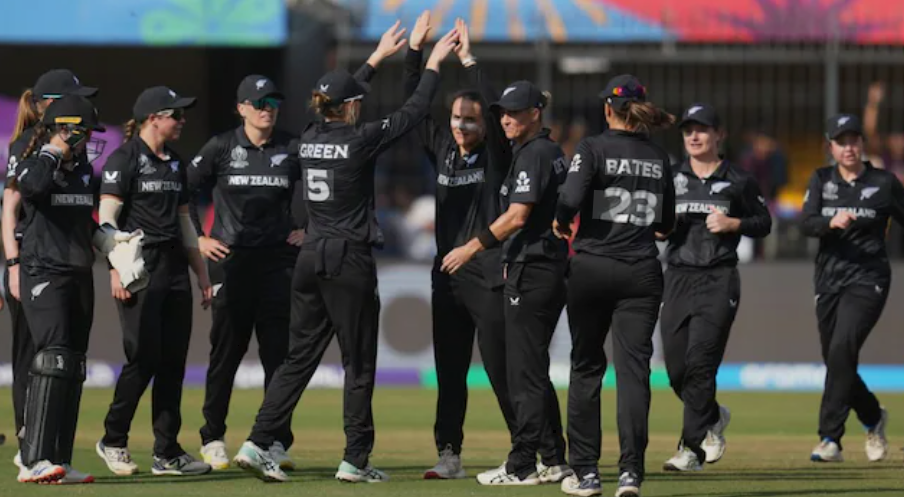
Sri Lanka Women Vs New Zealand Women’s National Cricket Team Timeline
Table of Contents
The competitive timeline between these two international women’s cricket teams reflects a journey of growth, dominance shifts, and evolving match intensity over the years. What began as one-sided encounters gradually transformed into more structured and competitive contests shaped by improved batting depth, disciplined bowling units, and rising tactical awareness. Early matches highlighted experience gaps, while later fixtures showcased narrowing margins and stronger resilience from both sides. Across ODIs and T20Is, scorecards reveal how momentum swings, key partnerships, and pressure overs defined outcomes. This rivalry now stands as a clear example of how international exposure and development programs can reshape competitive balance in modern women’s cricket.
Latest Matches
| Date | Format | Venue | Winner | Margin |
| 14 Oct 2025 | ODI | R. Premadasa Stadium, Colombo | No Result | Rain abandoned play |
| 18 Mar 2025 | T20I | University Oval, Dunedin | No Result | Rain abandoned play |
| 16 Mar 2025 | T20I | Hagley Oval, Christchurch | New Zealand | 7 wickets |
| 14 Mar 2025 | T20I | Hagley Oval, Christchurch | Sri Lanka | 7 wickets |
| 09 Mar 2025 | ODI | Saxton Oval, Nelson | New Zealand | 98 runs |
| 07 Mar 2025 | ODI | Saxton Oval, Nelson | New Zealand | 78 runs |
| 04 Mar 2025 | ODI | McLean Park, Napier | No Result | Rain abandoned play |
| 12 Oct 2024 | T20I | Sharjah Cricket Stadium, Sharjah | New Zealand | 8 wickets |
| 08 Jul 2023 | T20I | P. Sara Oval, Colombo | New Zealand | 4 wickets |
| 05 Jul 2023 | T20I | P. Sara Oval, Colombo | Sri Lanka | 10 wickets |
All-Time Head-to-Head Record
| Format | Total Matches | New Zealand Wins | Sri Lanka Wins | No Result | Tie |
| One Day International | 16 | 13 | 2 | 1 | 0 |
| Twenty20 International | 15 | 12 | 2 | 1 | 0 |
| Combined International | 31 | 25 | 4 | 2 | 0 |
All-Time Batting Leaders
| Player Name | Team | Matches | Innings | Total Runs | Highest Score | Batting Average |
| Suzie Bates | New Zealand | 28 | 26 | 1045 | 106 | 45.43 |
| Chamari Athapaththu | Sri Lanka | 26 | 26 | 892 | 140 | 37.16 |
| Sophie Devine | New Zealand | 24 | 22 | 712 | 105 | 39.55 |
| Amy Satterthwaite | New Zealand | 17 | 15 | 589 | 137 | 45.30 |
| Maddy Green | New Zealand | 19 | 17 | 456 | 100 | 30.40 |
| Harshitha Samarawickrama | Sri Lanka | 14 | 14 | 312 | 44 | 24.00 |
| Rachel Priest | New Zealand | 11 | 10 | 298 | 86 | 29.80 |
| Prasadani Weerakkody | Sri Lanka | 15 | 15 | 245 | 48 | 16.33 |
All-Time Bowling Leaders
| Player Name | Team | Matches | Overs Bowled | Wickets Taken | Best Bowling | Bowling Average |
| Sophie Devine | New Zealand | 24 | 112.4 | 34 | 3 for 16 | 14.52 |
| Leigh Kasperek | New Zealand | 13 | 84.2 | 26 | 4 for 7 | 11.23 |
| Inoka Ranaweera | Sri Lanka | 22 | 134.1 | 21 | 4 for 53 | 28.14 |
| Suzie Bates | New Zealand | 28 | 68.0 | 18 | 3 for 18 | 16.66 |
| Lea Tahuhu | New Zealand | 18 | 98.3 | 17 | 4 for 27 | 21.05 |
| Amelia Kerr | New Zealand | 12 | 74.0 | 15 | 3 for 13 | 18.40 |
| Chamari Athapaththu | Sri Lanka | 26 | 92.5 | 14 | 3 for 20 | 32.57 |
| Oshadi Ranasinghe | Sri Lanka | 14 | 69.2 | 11 | 3 for 34 | 34.90 |
Early Encounters That Set the Tone
The first meetings between these two international sides revealed a clear difference in experience and match temperament. One team entered the contest with strong ICC exposure, structured game plans, and a deep bowling attack, while the other was still developing consistency in batting under pressure. Early scorecards showed low totals on one side and dominant chases on the other, reflecting a learning phase in the rivalry. Despite the imbalance, these matches were crucial in shaping future confidence. Players on the developing side gradually understood the demands of facing world class seam and spin attacks, while the stronger side tested bench strength and experimented with batting order flexibility. Over time, these encounters became reference points for improvement, especially in strike rotation and fielding intensity. Even though results were one sided initially, the foundation of a competitive timeline was quietly being built through these early international meetings.
| Match Type | Winner | Key Performer | Margin | Venue Condition |
| ODI | NZ Women | Top order batter | 8 wickets | Green pitch |
| T20I | NZ Women | Fast bowler | 6 wickets | Dry surface |
| ODI | NZ Women | All rounder | 45 runs | Swing friendly |
| T20I | NZ Women | Spinner | 5 wickets | Slow pitch |
Building Blocks of a Developing Rivalry
As time progressed, the competitive gap slowly started to narrow with visible improvements in batting stability and bowling discipline. One side began focusing heavily on building partnerships rather than relying on individual brilliance, while the other refined its rotation policy and death over execution. Match scorecards from this phase showed more resistance from the underdog team, especially in the middle overs where scoring was previously difficult. The stronger side still maintained control in key moments, but margins of victory started to shrink. Coaching structures, fitness levels, and exposure in global leagues played a major role in shaping performances. Fans began noticing that matches were no longer predictable, and every fixture carried moments of tension. This phase marked the true beginning of a rivalry where both sides started respecting each other’s tactical awareness and adaptability.
| Match Type | Winner | Key Performer | Margin | Turning Point |
| ODI | NZ Women | Captain innings | 35 runs | Middle overs control |
| T20I | NZ Women | Spin duo | 18 runs | Powerplay wickets |
| ODI | NZ Women | Opener | 22 runs | Chase pressure |
| T20I | NZ Women | All rounder | 12 runs | Death overs |
First Competitive Clashes That Changed Perception
This phase marked a noticeable shift in how matches were perceived by fans and analysts. The underdog side began challenging stronger opponents with improved shot selection and disciplined bowling spells. Several matches went deep into the final overs, creating pressure situations that tested temperament. Scorecards reflected tighter contests, where early wickets or one strong partnership could swing momentum completely. The stronger team still held an edge, but they could no longer dominate effortlessly. Tactical awareness became more visible, with bowling changes timed more carefully and field placements adjusted according to match situations. These encounters helped redefine expectations and proved that the gap between the two sides was no longer as wide as before. Each match contributed to building belief and competitiveness in future fixtures.
| Match Type | Winner | Key Performer | Margin | Pressure Phase |
| ODI | NZ Women | Middle order | 15 runs | Final overs |
| T20I | NZ Women | Bowler spell | 10 runs | Powerplay |
| ODI | NZ Women | Opener | 28 runs | Chase phase |
| T20I | NZ Women | All rounder | 6 runs | Death overs |
ICC Tournament Pressure Encounters
ICC events added a completely different level of pressure and intensity to the rivalry. Matches in global tournaments brought higher stakes, where every run and wicket carried significant weight. One side relied on experienced players to anchor innings under pressure, while the other tried to build resilience against world class bowling attacks. Scorecards from this stage often showed collapses under pressure or sudden fightbacks that shifted momentum within a few overs. Fielding standards and catching efficiency became decisive factors in close matches. Tactical discipline was tested as teams had to adjust quickly to high pressure environments and unfamiliar conditions. These encounters became defining moments in the rivalry timeline, shaping team identity and mental strength for future ICC competitions.
| Match Type | Winner | Key Performer | Margin | ICC Stage |
| ODI WC | NZ Women | Bowler attack | 40 runs | Group stage |
| T20 WC | NZ Women | Batter anchor | 5 wickets | Knockout |
| ODI WC | NZ Women | All rounder | 32 runs | Group stage |
| T20 WC | NZ Women | Spinner impact | 18 runs | League stage |
T20 Format Evolution and Close Finishes
The shortest format brought new energy into the rivalry with faster scoring rates and unpredictable outcomes. Both sides adapted aggressively, with batters focusing on boundary hitting and bowlers experimenting with variations. Matches often shifted within a few overs, making momentum management crucial. Scorecards showed higher totals compared to earlier years, reflecting improved batting confidence. Death overs became particularly decisive, with both teams relying on execution under pressure. Fielding agility and catching under lights also played a significant role. This phase showed the most balanced contests in the rivalry timeline, with several matches decided in the final over. Fans witnessed thrilling finishes, where individual brilliance often outshined team dominance.
| Match Type | Winner | Key Performer | Margin | Finish Type |
| T20I | NZ Women | Finisher | 4 wickets | Last over |
| T20I | NZ Women | Bowler spell | 7 runs | Tight chase |
| T20I | NZ Women | Opener | 12 runs | High scoring |
| T20I | NZ Women | All rounder | 3 wickets | Final over |
Player Battles That Defined Matches
Individual contests between batters and bowlers shaped many key moments in the rivalry. Top order batters faced disciplined new ball attacks that tested technique and patience. Spin bowlers played a crucial role in slowing scoring rates during middle overs, often breaking partnerships at critical stages. On the other side, experienced batters anchored innings and ensured stability under pressure. These head to head battles became central to match strategies, with teams planning around key player matchups. Scorecards often highlighted how one strong performance could completely change the direction of a game. Over time, certain players consistently performed in these high pressure duels, building reputations as match winners.
| Match Type | Batter | Bowler | Outcome Impact | Key Phase |
| ODI | Top order | Fast bowler | Early wicket | Powerplay |
| T20I | Middle order | Spinner | Run control | Middle overs |
| ODI | Opener | Pace attack | Strong start | First 10 overs |
| T20I | Finisher | Death bowler | Match swing | Final overs |
Tactical Shifts and Modern Strategy
Modern cricket strategies significantly influenced how both teams approached matches in recent years. Data driven planning, video analysis, and situational awareness became essential components of preparation. One side emphasized structured batting partnerships and controlled aggression, while the other focused on adaptable bowling combinations and flexible batting orders. Scorecards began reflecting smarter run distribution across innings, especially in powerplays and death overs. Field placements became more dynamic, and bowling rotations were used strategically to break partnerships. These tactical improvements made matches more competitive and less predictable compared to earlier phases of the rivalry. The evolution of strategy highlighted how both teams adapted to modern international standards.
| Match Type | Strategy Focus | Key Performer | Result Impact | Phase |
| ODI | Batting control | Anchor batter | Stable innings | Middle overs |
| T20I | Bowling rotation | Spinner | Wicket control | Powerplay |
| ODI | Power hitting | Opener | Fast start | First 15 overs |
| T20I | Death overs plan | Bowler | Match finish | Final overs |
Conclusion
The overall journey shows a clear evolution from dominant performances by one side to increasingly competitive and closely fought encounters. As both teams adapted their strategies, improved player skills, and strengthened mental toughness, the rivalry gained greater depth and excitement. Scorecards across different formats highlight changing match dynamics, where small moments often decided outcomes. While one team maintained an edge in consistency, the other showed steady progress and growing confidence in high pressure situations. This timeline now represents a balanced and developing international rivalry that continues to grow with every new meeting on the field.