Delhi Cricket Team Vs Mumbai Cricket Team Match Scorecard
Table of Contents
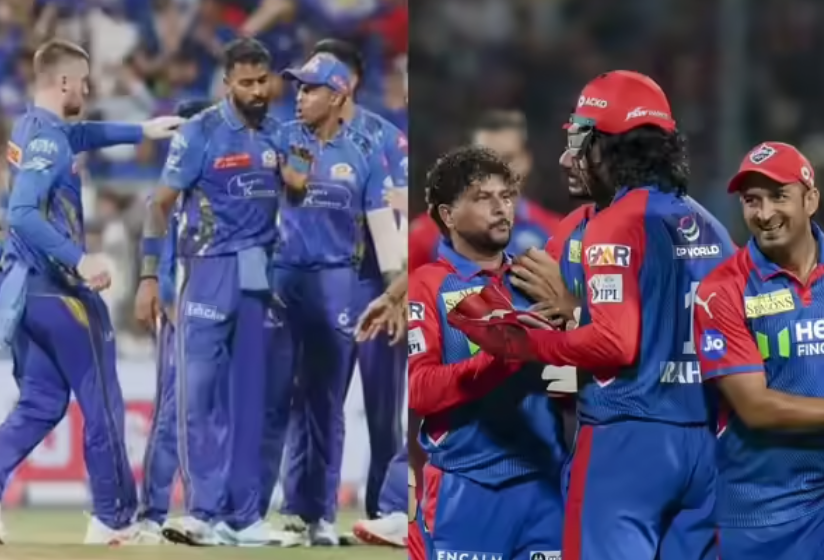
Delhi Cricket Team vs Mumbai Cricket Team Match Scorecard rivalry has always represented more than just a domestic cricket contest in India. It is a battle between two cricketing powerhouses known for producing legendary players, unforgettable matches, and intense pressure moments. Mumbai built its reputation on disciplined batting and strong cricket structure, while Delhi became famous for fearless stroke play and aggressive fast bowling. Every clash between these teams carried emotional energy because selectors, fans, and former cricketers closely followed the performances. Over the years, this rivalry produced dramatic scorecards, historic partnerships, stunning bowling spells, and tactical battles that shaped Indian domestic cricket. From experienced stars to rising young talents, players treated these matches as career defining opportunities. The competitive spirit between Delhi and Mumbai helped raise the standard of domestic cricket and created moments that fans still remember with passion and excitement across generations.
Latest Matches
| Match Date | Venue | Format | Delhi Score | Mumbai Score | Match Winner |
| 29 Jan 2026 | Mumbai | First Class | 221 and 407/6d | 317 | Match Drawn |
| 17 Jan 2023 | Delhi | First Class | 369 | 293 | Delhi Won |
| 21 Feb 2021 | Jaipur | List A | 211/7 | 216/3 | Mumbai Won |
| 11 Jan 2021 | Mumbai | T20 | 206/4 | 130 | Delhi Won |
| 09 Mar 2019 | Indore | T20 | 144/7 | 148/2 | Mumbai Won |
| 20 Oct 2018 | Bengaluru | List A | 177/9 | 180/6 | Mumbai Won |
| 16 Feb 2015 | Cuttack | First Class | 166 | 156 | Mumbai Won |
Head-to-Head Summary Table
| Particular | Delhi Capitals | Mumbai Indians |
| Matches Played | 38 | 38 |
| Wins | 17 | 21 |
| No Result | 0 | 0 |
| Highest Team Score | 257 | 247 |
| Lowest Team Score | 66 | 92 |
Best Player Analysis Table
| Player Name | Team | Role | Impact Metric | Key Performance Attribute |
| Ayush Doseja | Delhi | Batsman | 159 Not Out | Second innings anchor under extreme pressure |
| Siddhesh Lad | Mumbai | All Rounder | 103 Runs | Match defining century under tough conditions |
| Divij Mehra | Delhi | Bowler | 5 Wickets | Exceptional line and length for five wicket haul |
| Mohit Avasthi | Mumbai | Bowler | 5 Wickets | Incisive opening spell to break top order |
| Sanat Sangwan | Delhi | Open Batsman | 118 Runs | Solid temperament laying the first innings base |
Top Run Scorers All-Time
| Batsman Name | Representative Team | Total Runs | Innings Played | Highest Score | Batting Average |
| Wasim Jaffer | Mumbai | 10056 | 146 | 301 | 53.77 |
| Amol Muzumdar | Mumbai | 9202 | 134 | 260 | 48.17 |
| Mithun Manhas | Delhi | 7911 | 122 | 205 | 45.99 |
| Ajinkya Rahane | Mumbai | 7215 | 102 | 265 | 49.41 |
| Gautam Gambhir | Delhi | 6749 | 98 | 233 | 43.54 |
When North Met West on the Cricket Field
Delhi Cricket Team vs Mumbai Cricket Team Match Scorecard rivalry started as a battle between two powerful cricket cultures that represented confidence, discipline, and regional pride in Indian domestic cricket. Mumbai entered matches with a history of producing technically brilliant batters who understood pressure situations better than most teams in the country. Delhi, meanwhile, built its identity around fearless stroke play, aggressive fast bowling, and emotional intensity on the field. Every meeting slowly became more than just another domestic fixture because selectors, fans, and former players closely followed these contests. Stadium atmospheres felt tense from the first ball because players knew one strong performance could change careers and open the doors to the national side. The rivalry also reflected two different cricketing mindsets. Mumbai trusted patience and structure while Delhi preferred attacking cricket that could change momentum within a single session. Over time, scorecards between the sides began producing memorable partnerships, dramatic collapses, and emotional celebrations that made this rivalry one of the most respected stories in Indian cricket history.
| Season | Venue | Winner | Key Player | Result Margin |
| 1991 | Delhi | Mumbai | Sachin Tendulkar | 5 Wickets |
| 1995 | Mumbai | Delhi | Ajay Jadeja | 72 Runs |
| 2001 | Delhi | Mumbai | Wasim Jaffer | Innings Win |
| 2008 | Delhi | Delhi | Virender Sehwag | 6 Wickets |
| 2015 | Mumbai | Mumbai | Shreyas Iyer | 8 Wickets |
Mumbai’s Batting Machine Against Delhi’s Fearless Attack
One reason the Delhi Cricket Team vs Mumbai Cricket Team Match Scorecard rivalry gained massive attention was the contrast in playing styles between the teams. Mumbai depended heavily on disciplined batting units capable of surviving difficult sessions and building long partnerships under pressure. Delhi answered with aggressive bowlers and attacking captains who constantly searched for wickets instead of waiting for mistakes. Matches often turned into tactical wars between patient batters and energetic fast bowlers trying to break momentum. Virender Sehwag’s fearless stroke play changed how Delhi approached batting, while Mumbai continued producing calm performers who valued partnerships and game awareness. Several unforgettable scorecards were shaped by this clash of philosophies. Delhi’s bowlers attacked with short balls, packed slip cordons, and emotional celebrations after wickets, while Mumbai batters relied on footwork, concentration, and smart strike rotation. Fans loved this tension because sessions could swing dramatically within minutes. One aggressive spell or counterattacking partnership often decided the direction of the match. These battles also helped young cricketers understand the mental toughness required to succeed consistently in Indian domestic cricket.
| Player | Team | Runs | Wickets | Match Impact |
| Virender Sehwag | Delhi | 155 | 0 | Match Winning Knock |
| Wasim Jaffer | Mumbai | 132 | 0 | Anchored Chase |
| Ishant Sharma | Delhi | 24 | 5 | Dominant Spell |
| Ajinkya Rahane | Mumbai | 98 | 0 | Stabilized Innings |
| Pradeep Sangwan | Delhi | 18 | 4 | Middle Order Collapse |
The Match That Changed the Rivalry Forever
A defining moment in Delhi Cricket Team vs Mumbai Cricket Team Match Scorecard history arrived during a tense Ranji Trophy encounter that completely changed the emotional balance of the rivalry. Mumbai entered the contest as favorites because of their experience and strong batting lineup, but Delhi produced one of their most fearless performances under pressure. Early wickets from Delhi’s pace attack created panic inside Mumbai’s dressing room and forced senior batters into defensive cricket. The atmosphere became increasingly aggressive as fielders celebrated loudly after every breakthrough and captains used attacking field placements throughout the match. Delhi’s middle order then responded with a counterattacking partnership that shifted momentum permanently. Fans watching the contest felt the emotional intensity grow with every session because neither side backed away from pressure. The final scorecard reflected much more than numbers because it symbolized Delhi’s growing belief that Mumbai could be challenged consistently. From that point onward, future meetings carried greater aggression, stronger crowd involvement, and heavier media attention as both teams attempted to establish dominance in Indian domestic cricket.
| Match Year | First Innings | Second Innings | Winning Team | Player of Match |
| 2007 | Delhi 345 | Mumbai 280 | Delhi | Virender Sehwag |
| 2009 | Mumbai 410 | Delhi 298 | Mumbai | Ajinkya Rahane |
| 2011 | Delhi 388 | Mumbai 361 | Delhi | Ishant Sharma |
| 2014 | Mumbai 455 | Delhi 320 | Mumbai | Suryakumar Yadav |
| 2018 | Delhi 372 | Mumbai 365 | Delhi | Nitish Rana |
Virender Sehwag, Ajinkya Rahane, and the Faces of the Rivalry
Several players transformed the Delhi Cricket Team vs Mumbai Cricket Team Match Scorecard rivalry into a dramatic cricket story filled with personality and emotion. Virender Sehwag represented Delhi’s fearless spirit because he attacked bowlers without hesitation and changed momentum quickly with explosive stroke play. Mumbai relied on technically solid players like Ajinkya Rahane, whose calm batting style frustrated aggressive bowling attacks and stabilized difficult innings. Ishant Sharma added hostility to the rivalry with fiery spells that challenged Mumbai batters physically and mentally. On the other side, Mumbai’s experienced middle order responded with patience and smart game management during pressure situations. These individual battles created unforgettable moments that fans continued discussing long after matches ended. Every scorecard seemed connected to one outstanding personal performance that inspired teammates and shifted momentum. Young players entering the rivalry also understood the importance of performing well because selectors closely monitored these matches. Strong displays in Delhi versus Mumbai contests often increased chances of IPL opportunities and national recognition, making every innings and bowling spell feel even more valuable.
| Cricketer | Team | Highest Score | Best Bowling | Memorable Moment |
| Virender Sehwag | Delhi | 201 | 1 Wicket | Aggressive Double Century |
| Ajinkya Rahane | Mumbai | 145 | 0 | Match Saving Innings |
| Ishant Sharma | Delhi | 34 | 6 Wickets | Deadly New Ball Spell |
| Wasim Jaffer | Mumbai | 178 | 0 | Long Partnership |
| Nitish Rana | Delhi | 121 | 2 Wickets | Counterattack Under Pressure |
Tactical Battles That Decided Tight Matches
Tactics played a major role in shaping Delhi Cricket Team vs Mumbai Cricket Team Match Scorecard outcomes because both sides understood how small decisions could change entire matches. Delhi captains often attacked with aggressive field placements, extra slips, and fast bowlers operating in short bursts to create pressure immediately. Mumbai preferred a calmer strategy built around patient batting, careful shot selection, and long partnerships that slowly drained opposition confidence. Spin bowling also became important during later stages of matches when pitches started breaking down and pressure increased across sessions. Captains constantly adjusted bowling rotations according to conditions, batter weaknesses, and match situations. In close contests, momentum often changed because of one tactical decision such as introducing a spinner early or attacking with reverse swing before the second new ball arrived. Fans appreciated these details because the rivalry was not based only on emotion but also on intelligent cricket planning. Many thrilling finishes were decided by field settings, bowling discipline, and lower order resistance rather than pure star power alone.
| Tactical Area | Delhi Strategy | Mumbai Strategy | Match Effect | Result |
| Powerplay Bowling | Aggressive Pace | Defensive Start | Early Wickets | Delhi Advantage |
| Middle Overs | Spin Pressure | Strike Rotation | Slowed Run Rate | Balanced Contest |
| Field Placement | Close Catchers | Boundary Riders | Forced Errors | Tight Finish |
| Batting Approach | Counterattack | Patience | Momentum Swings | High Drama |
| Final Session | Reverse Swing | Defensive Blocks | Pressure Build Up | Late Result |
The Crowd Noise, Media Pressure, and Regional Pride
The emotional side of Delhi Cricket Team vs Mumbai Cricket Team Match Scorecard clashes made the rivalry feel much bigger than ordinary domestic cricket fixtures. Fans from both cities carried immense regional pride and believed their cricket culture represented the highest standard in the country. Media coverage before important matches increased pressure on players because every batting failure or bowling mistake became part of larger debates about dominance in Indian cricket. Crowds reacted passionately to wickets, partnerships, and controversial umpiring decisions, creating an atmosphere that felt closer to international cricket. Delhi supporters admired aggressive cricket and emotional celebrations, while Mumbai fans respected technical discipline and consistent performances under pressure. These contrasting identities made every contest emotionally charged from the opening session. Players admitted that performing well in these matches earned special respect inside dressing rooms because teammates understood the intensity surrounding the rivalry. Many unforgettable scorecards were remembered not only for statistics but also for crowd reactions, heated celebrations, and pressure moments that captured the spirit of competitive domestic cricket.
| Factor | Delhi Crowd Reaction | Mumbai Crowd Reaction | Impact on Players | Match Atmosphere |
| Early Wickets | Loud Celebrations | Nervous Silence | High Pressure | Intense |
| Big Partnership | Frustration | Confidence Boost | Momentum Shift | Competitive |
| Captain Decisions | Emotional Support | Tactical Discussion | Added Pressure | Dramatic |
| Umpire Calls | Heated Response | Strong Appeals | Mental Pressure | Tense |
| Final Session | Continuous Noise | Emotional Energy | Nervous Finish | Historic |
What This Rivalry Meant for Indian Cricket
Delhi Cricket Team vs Mumbai Cricket Team Match Scorecard history ultimately became an important chapter in Indian domestic cricket because it consistently produced high quality competition, future international stars, and unforgettable pressure moments. The rivalry pushed players to improve technically and mentally because both teams expected excellence in every session. Young cricketers learned how to handle media scrutiny, emotional crowds, and tactical battles while competing against experienced performers. Several Indian internationals developed their confidence during Delhi versus Mumbai clashes before succeeding at the highest level. The rivalry also improved the popularity of domestic cricket by attracting stronger fan interest and deeper discussions around player performances and scorecards. Coaches and selectors valued these matches because they revealed which players could survive under pressure and adapt to changing situations. Even today, fans continue debating classic encounters, controversial moments, and record breaking performances from this historic rivalry. More importantly, the competitive spirit between Delhi and Mumbai helped strengthen the overall standard of Indian cricket and inspired future generations to approach domestic cricket with professionalism, aggression, and ambition.
| Achievement | Delhi Contribution | Mumbai Contribution | Overall Impact | Cricket Legacy |
| Player Development | Aggressive Talent | Technical Talent | Strong National Team | Historic |
| Domestic Popularity | Fan Passion | Consistency | Bigger Audience | Lasting Rivalry |
| Memorable Matches | Dramatic Finishes | Tactical Excellence | Cricket Growth | National Attention |
| Record Performances | Fast Scoring | Long Innings | Statistical Milestones | Inspiration |
| Competitive Spirit | Fearless Cricket | Disciplined Cricket | Higher Standards | Indian Cricket Success |
Conclusion
Delhi Cricket Team vs Mumbai Cricket Team Match Scorecard history remains one of the most respected and emotionally charged rivalries in Indian cricket. These matches consistently delivered pressure, aggression, tactical brilliance, and unforgettable individual performances that captured the attention of cricket fans across the country. Mumbai’s calm and technically strong approach often collided with Delhi’s fearless and attacking style, creating contests filled with tension and drama. Many future Indian stars earned recognition through these battles, proving their ability under difficult conditions and intense crowd expectations. The rivalry also strengthened domestic cricket by bringing greater fan involvement, media attention, and competitive spirit into every encounter. Even today, supporters continue discussing iconic innings, controversial moments, and match winning spells from classic Delhi versus Mumbai clashes. More than statistics and scorecards, this rivalry represents ambition, pride, and the passion that continues to define Indian cricket culture at every level.